Decoding Accumulation Mechanisms: Provider Approaches to Connecting Payment Selections with Prize Pool Expansion in Mobile Gaming Environments
Amir Baumann · May 29, 2026
Decoding Accumulation Mechanisms: Provider Approaches to Connecting Payment Selections with Prize Pool Expansion in Mobile Gaming Environments
Payment method selection in mobile gaming platforms creates direct pathways that influence how prize pools expand over time. Developers design these systems so transaction types feed into accumulation models where certain deposits trigger layered contributions to shared reward structures. Data from transaction logs reveal patterns where instant transfer options accelerate pool growth rates compared with slower processing methods.
Portable game systems rely on backend integrations that track each payment in real time. These integrations route portions of wagers into progressive elements while routing other segments toward tiered player accounts. Observers note that the choice between digital wallets, bank transfers, and card-based options determines the velocity at which individual contributions scale collective prize amounts.
Payment Routing and Pool Mechanics
System architects map payment rails to specific accumulation rules that differ by provider. Fast-settlement channels often receive priority weighting in the algorithms because they reduce latency between deposit and pool credit. Slower methods undergo additional verification steps that delay their impact on prize totals yet still contribute once cleared. This differentiation appears consistently across multiple mobile titles released through 2025 and into May 2026.
Industry reports from the Nevada Gaming Control Board document how these routing decisions affect overall pool velocity in regulated markets. The same reports show that providers adjust weighting coefficients quarterly based on observed player behavior across regions.
Layered Incentive Structures
Once payments enter the system, software layers apply sequential multipliers that determine both immediate bonuses and long-term pool additions. Digital wallet transactions frequently unlock an initial multiplier that feeds directly into the main progressive meter. Card payments pass through a secondary verification layer that applies a smaller initial multiplier before the contribution reaches the same meter.
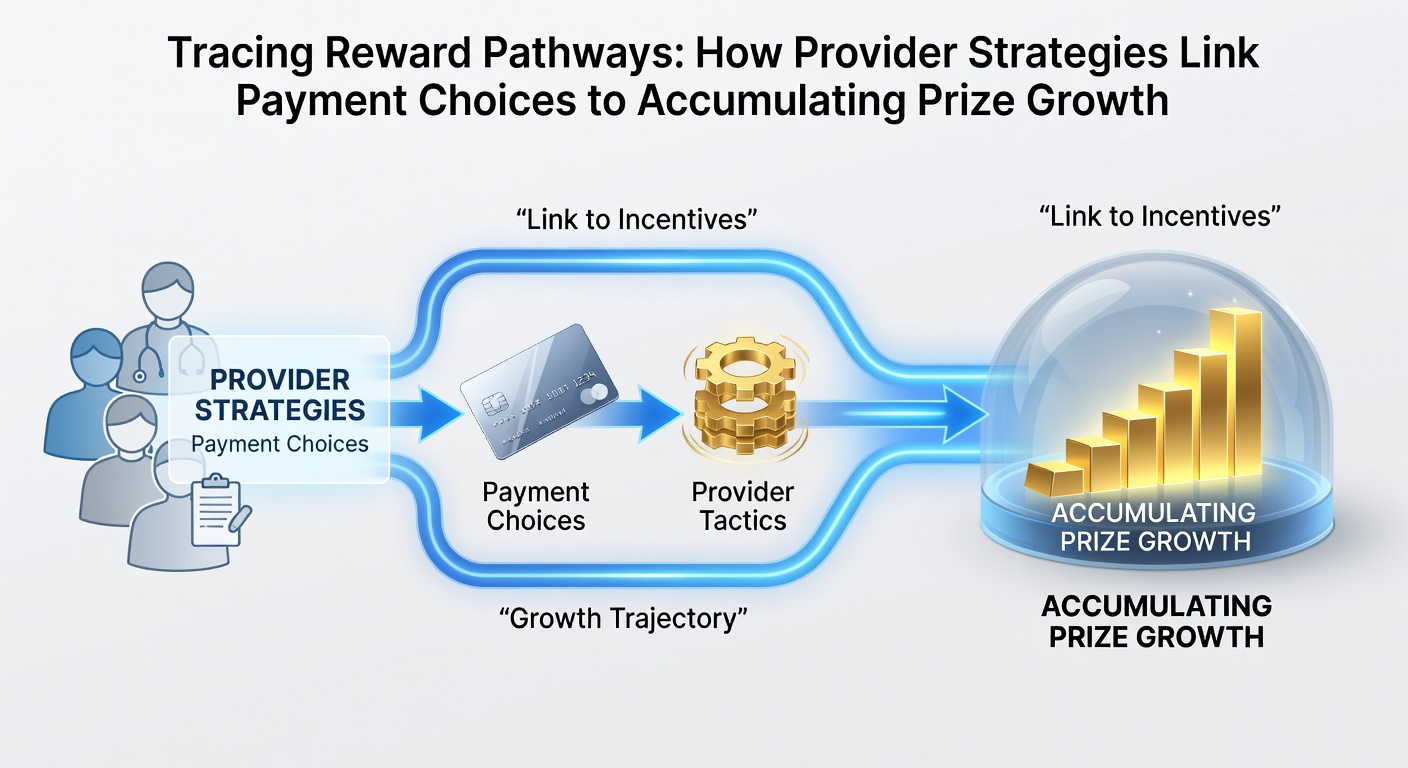
Researchers tracking these flows across several platforms found that players who alternate between payment types experience staggered growth curves in their personal reward tracking dashboards. The alternation creates measurable differences in how quickly individual accounts reach the thresholds required for higher-tier prize eligibility.
Data Patterns Emerging in Mid-2026
Transaction datasets compiled through the first quarter of 2026 indicate rising adoption of hybrid payment sequences. Players combine an initial small wallet deposit with a later bank transfer within the same session. These sequences produce compound effects on pool accumulation because each method activates distinct contribution rules within the same game instance.
Academic analyses from the University of Sydney's Gambling Research Unit have examined similar sequencing behaviors in Australian mobile markets. Their findings highlight that providers now embed conditional triggers that respond to the order of payment types used during a single play period.
Regional Variations in Implementation
European operators following guidelines from the Malta Gaming Authority apply stricter separation between payment verification stages and prize pool credits. North American platforms regulated under state-level frameworks often permit faster linkage between cleared funds and progressive meters. These differences create observable variations in growth rates across the same game title when accessed from different jurisdictions.
Developers maintain separate configuration files for each regulatory environment so the same mobile application can apply region-specific weighting without requiring separate codebases.
Conclusion
Payment choices function as control valves within larger prize accumulation architectures. The strategies providers deploy link transaction characteristics directly to the rate and scale of pool expansion in portable systems. Continued monitoring of these linkages through regulatory data and academic studies will clarify how future updates refine the pathways between deposits and growing rewards.