Design Advances Integrate Bonus Spins with Progressive Jackpot Systems in Mobile Gaming
Mara Perry · Aug 14, 2026

Design Advances Integrate Bonus Spins with Progressive Jackpot Systems in Mobile Gaming
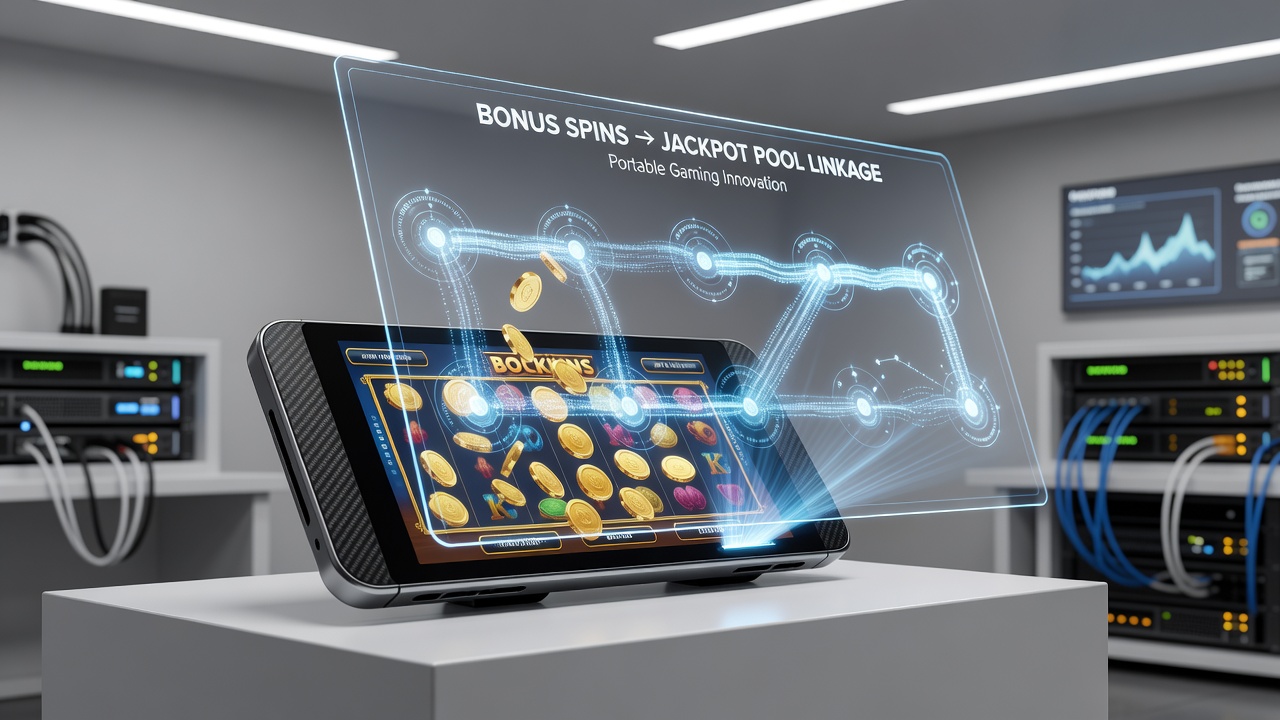
Software developers have refined the way bonus spins connect to jackpot pools across portable platforms, creating direct data pathways that transfer contributions from feature rounds into shared prize accumulators. These systems rely on real-time tracking modules that calculate percentages from each spin sequence and route them into progressive meters without interrupting gameplay flow. Observers note that such integrations appear most frequently in titles built for handheld devices where session lengths tend to stay shorter yet still feed substantial volumes into the pools.
Core Technical Frameworks
Engineers design these connections through modular APIs that separate the bonus round logic from the main game loop while maintaining a constant link to the central jackpot server. When a player triggers a free spin sequence, the backend assigns a fixed contribution rate, often ranging from 0.5 to 2 percent of the total bet value, and logs it against the active pool. Data from industry reports shows these rates vary by jurisdiction, with certain markets requiring transparent disclosure of the exact allocation before play begins. Researchers at institutions such as the Australian Gambling Research Centre have documented how these frameworks maintain synchronization even during network fluctuations common to mobile environments.
Additional layers include dynamic scaling algorithms that adjust contribution levels based on player activity patterns detected within the session. For instance, extended bonus sequences may increase the percentage slightly to maintain pool growth momentum, while shorter sessions receive standard rates. This approach keeps the jackpot visible and accumulating across thousands of concurrent mobile users without creating noticeable lag on individual devices.
Mobile-Specific Optimizations
Portable hardware imposes constraints on memory and processing power, prompting developers to compress the jackpot tracking routines into lightweight background services. These services run alongside the graphics engine and communicate with remote servers using optimized data packets that update pool totals every few seconds. Tests conducted by certification laboratories indicate that such optimizations reduce data usage by up to 40 percent compared with earlier desktop-oriented versions while preserving accuracy in prize calculations.
Touchscreen interfaces further influence design choices, with swipe gestures sometimes mapped to bonus spin initiations that simultaneously log contributions to the pool. Visual feedback elements, such as meter animations that pulse when a spin adds value, reinforce the connection for players without requiring separate screens or menus. In August 2026, several providers rolled out updates that incorporated haptic responses during these moments, allowing users to feel incremental pool growth through subtle vibrations on supported devices.
Regulatory and Compliance Considerations
Authorities in multiple regions require that bonus-to-jackpot linkages undergo third-party audits before release. These reviews verify that contribution rates match published specifications and that no hidden deductions occur during the transfer process. The Nevada Gaming Control Board, for example, mandates detailed reporting on mobile titles that include progressive elements, ensuring pool integrity across distributed player bases. Similar standards appear in Canadian provincial frameworks, where operators must demonstrate that mobile sessions contribute proportionally to land-based equivalents.
Security protocols encrypt the contribution data streams to prevent tampering, and regular checksum verifications run on both client and server sides. When discrepancies arise, systems automatically pause the affected jackpot until resolution, a measure that has become standard across compliant platforms since mid-2025.
Player Experience Patterns
Analytics collected from large-scale deployments reveal that mobile users interact with linked bonus features at higher frequencies than with standalone progressives. Session data indicates average play durations increase when players observe direct pool growth tied to their bonus activity, though exact figures depend on title design and regional player demographics. Game studios have responded by introducing tiered bonus structures where higher levels unlock larger contribution percentages, creating visible progression paths within a single session.
One documented case involved a European operator that adjusted its mobile interface to display real-time contribution counters during bonus rounds. Post-implementation metrics showed a measurable rise in feature engagement without altering overall bet volumes, according to internal operational summaries shared with industry groups like the European Gaming and Betting Association.
Future Development Directions
Emerging prototypes explore blockchain-based ledgers for jackpot tracking, allowing transparent verification of every bonus spin contribution across decentralized nodes. Early trials suggest these methods could reduce reconciliation times between operators and regulators while maintaining the low-latency requirements of portable play. Parallel work focuses on cross-device continuity, where a bonus sequence started on a phone seamlessly transfers its accumulated pool value to a tablet or other handheld unit.
Conclusion
Design innovations continue to strengthen the technical bridges between bonus spins and jackpot pools in portable environments through refined APIs, mobile-optimized data handling, and compliance-driven security measures. These advancements support consistent pool growth across distributed player bases while meeting varied regulatory expectations in different markets. Ongoing research and testing indicate further refinements will likely emphasize transparency and cross-platform consistency in the coming periods.