Integrating Rapid Transaction Processing with Scaled Incentive Models in Portable Jackpot Frameworks
Greta Albrecht · May 27, 2026
Integrating Rapid Transaction Processing with Scaled Incentive Models in Portable Jackpot Frameworks
Developers in the mobile gaming sector coordinate payment processing speeds with multi-tiered reward mechanisms inside progressive accumulator systems, and this alignment shapes how prize pools expand across portable platforms. In May 2026 industry observers note continued refinements in these technical integrations as providers respond to regulatory updates from bodies such as the Nevada Gaming Control Board and the Australian Communications and Media Authority.
Core Components of Transfer Synchronization
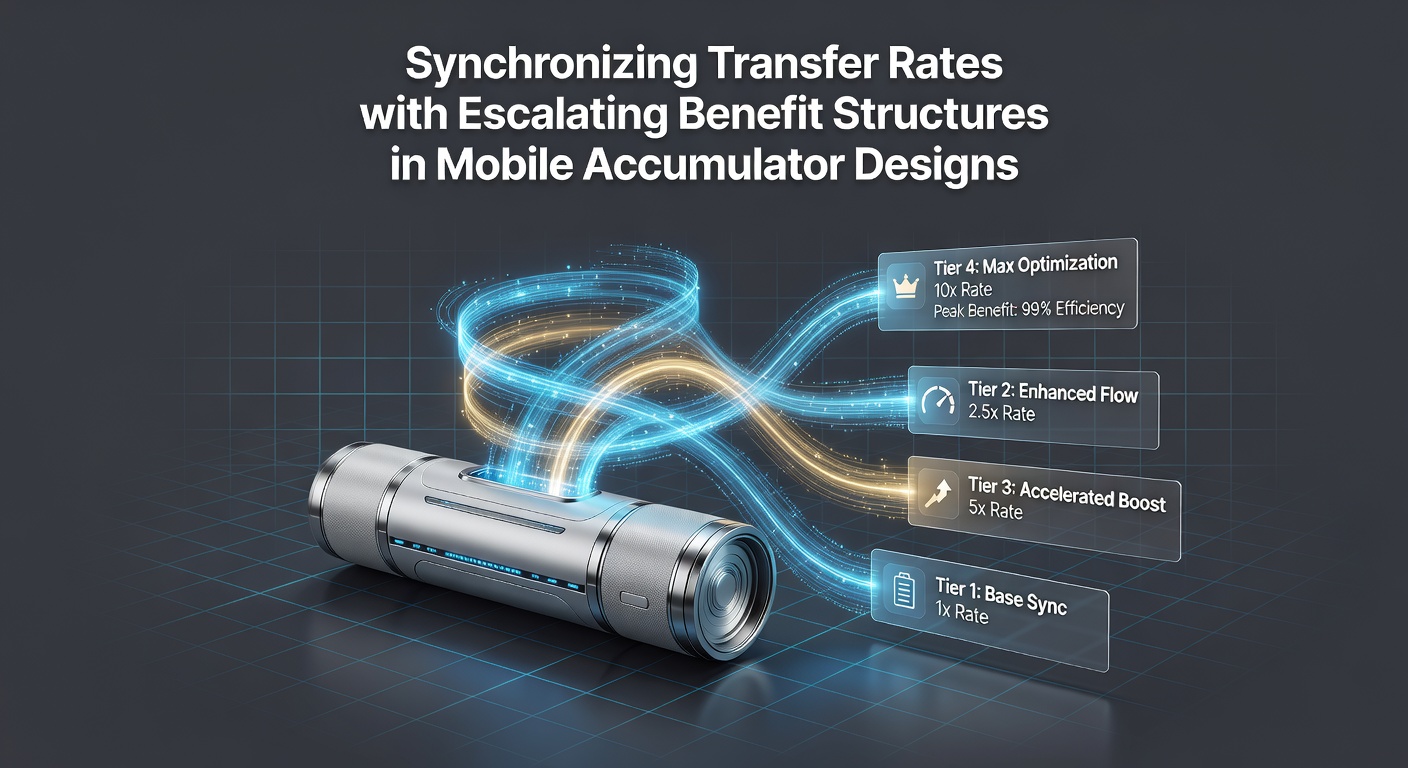
Transfer rates encompass the velocity at which deposits, withdrawals, and in-game credit movements occur, while escalating benefit structures refer to the graduated VIP tiers, bonus multipliers, and loyalty points that accumulate alongside player activity. Mobile accumulator designs combine these elements so that faster transaction confirmations trigger immediate access to higher reward brackets. Research from the University of Nevada, Reno Gaming Research Center indicates that systems achieving sub-second settlement windows see a measurable increase in tier progression rates compared with slower legacy architectures.
Engineers achieve this coordination through application programming interfaces that link payment gateways directly to the accumulator logic, and the result allows a completed deposit to update both the player's balance and their current loyalty level without separate processing queues. Those who have examined these architectures note that the same linkage extends to progressive jackpot contributions, where each transaction feeds the shared pool while simultaneously advancing the individual's benefit tier.
Technical Architecture Behind Mobile Accumulators
Modern mobile accumulators rely on distributed ledger elements for some providers and centralized real-time databases for others, yet both approaches prioritize low-latency data exchange between the transaction layer and the reward engine. When a player completes a qualifying wager, the system records the contribution to the progressive meter at the same moment it calculates any incremental loyalty points or bonus eligibility. This simultaneous processing prevents the lag that once separated financial movement from benefit accrual.
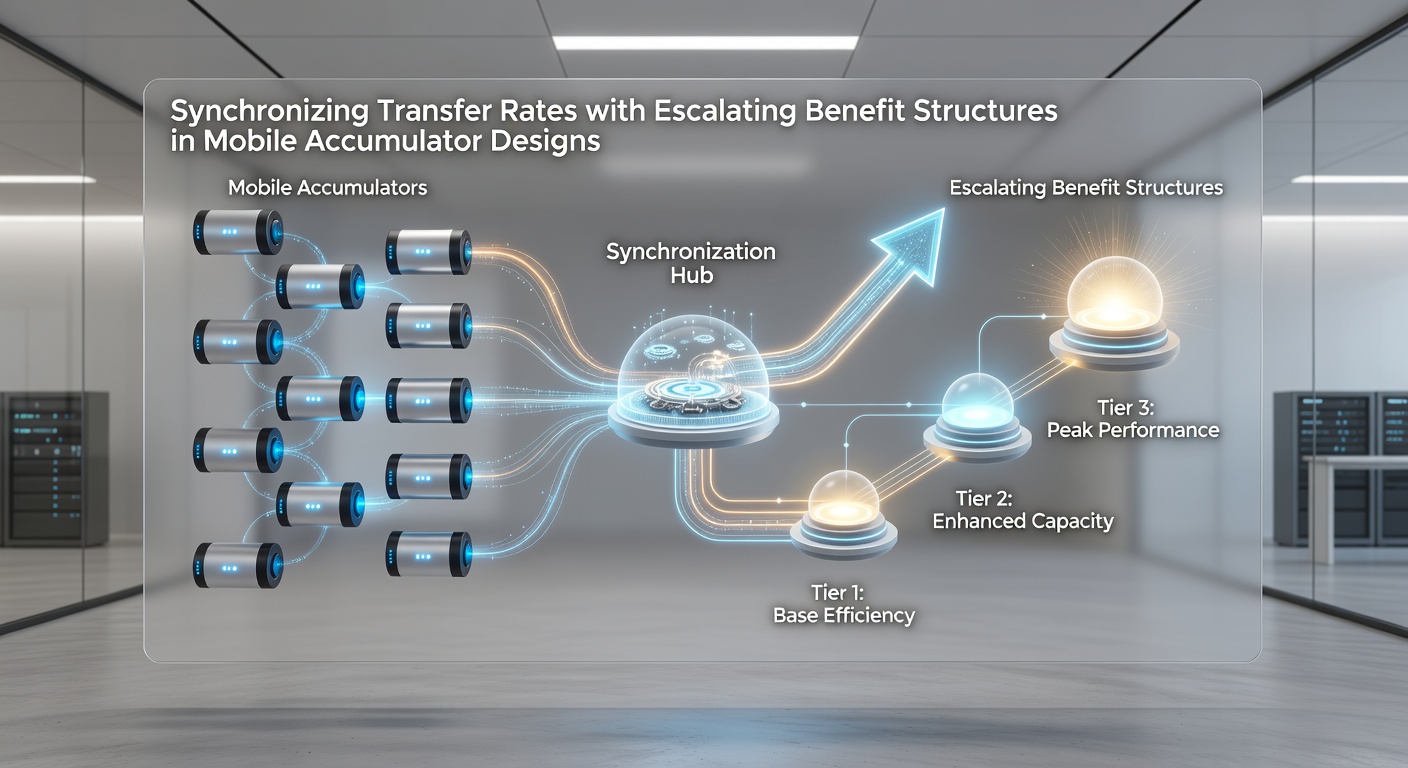
Developers incorporate caching mechanisms and edge computing nodes so that even players on variable mobile networks experience consistent synchronization. Data compiled by the Canadian Gaming Association shows that platforms employing these optimizations report fewer session interruptions and higher completion rates for tiered promotions during peak usage periods.
Regulatory and Compliance Considerations in 2026
Regulatory frameworks in multiple jurisdictions now require transparent logging of how transaction speed affects reward distribution, and providers must demonstrate that faster transfers do not create unfair advantages for specific player segments. In May 2026 several operators updated their compliance documentation to reflect new audit standards issued by the Malta Gaming Authority and similar oversight bodies in other regions. These updates emphasize audit trails that capture every synchronization event between payment rails and benefit ledgers.
Independent testing laboratories verify that accumulator algorithms maintain consistent progression rules regardless of the underlying transfer velocity, and this verification process includes stress testing under simulated high-volume conditions. Observers note that such testing helps maintain player trust while allowing continued innovation in mobile reward structures.
Implementation Patterns Across Providers
Some studios embed synchronization logic inside the game client itself, while others keep the core matching routines on secure backend servers with only lightweight confirmation messages sent to the mobile device. Both patterns appear in current deployments, and each carries distinct latency profiles that developers balance against battery and data usage constraints typical of portable play. A report issued by the World Lottery Association highlights that server-side approaches often deliver more uniform synchronization across diverse handset models.
Case examples include platforms that automatically elevate a player to the next VIP tier the instant a qualifying deposit clears, and the elevation immediately unlocks enhanced contribution rates to the progressive pool. This direct linkage between transfer completion and benefit escalation forms the operational core of many accumulator designs released or refreshed during the first half of 2026.
Future Trajectories and Industry Data
Industry metrics collected through the second quarter of 2026 reveal continued investment in synchronization technologies, particularly those that reduce the interval between transaction authorization and reward tier update to under 300 milliseconds. Providers cite these improvements as factors in sustained player retention across mobile channels, although exact figures vary by market and regulatory environment.
Academic researchers continue to analyze the interplay between transfer velocity and behavioral patterns within progressive systems, and their findings feed back into design iterations. The result is an ongoing refinement cycle where technical synchronization capabilities and escalating benefit models evolve in tandem rather than as isolated features.
Conclusion
Synchronization of transfer rates with escalating benefit structures remains a defining technical characteristic of contemporary mobile accumulator designs, and ongoing developments through May 2026 demonstrate steady progress in achieving tighter integration across payment, reward, and progressive systems. Data from regulatory and academic sources continues to guide these advancements while maintaining compliance with jurisdictional requirements.