Mapping the Integration of VIP Structures with Mobile Progressive Features Across Global Providers
Greta Albrecht · Jun 14, 2026

Mapping the Integration of VIP Structures with Mobile Progressive Features Across Global Providers
Global slot providers have expanded mobile progressive jackpot systems that connect directly with tiered VIP programs, allowing players on smartphones and tablets to access escalating prize pools alongside personalized loyalty rewards. These integrations combine real-time jackpot tracking with automated VIP point accumulation, where mobile sessions contribute to both progressive meters and loyalty status upgrades simultaneously.
Core Components of Mobile Progressive Systems
Providers such as those operating across North America, Europe, and Asia-Pacific markets build mobile progressive features around centralized servers that update jackpot values across thousands of devices in seconds. Research from the New Jersey Division of Gaming Enforcement shows mobile progressive play now accounts for over 65 percent of total progressive wagers in regulated markets, with average session lengths extending 22 percent longer on optimized apps compared to desktop versions. VIP structures layer on top through tiered multipliers that apply extra contributions from high-status accounts, accelerating both personal jackpots and network-wide growth.
How Providers Link VIP Tiers to Progressive Mechanics
Integration begins at the account level where loyalty algorithms assign points based on wager volume and frequency, then route those points into mobile progressive pools with weighted bonuses for top tiers. Observers note that providers in June 2026 rolled out unified dashboards displaying both current progressive balances and projected VIP advancement timelines on the same screen. Data indicates that players in platinum or diamond tiers receive dedicated mobile notifications when progressive meters approach trigger thresholds, increasing participation rates by measurable margins according to internal provider metrics shared with regulators.
Regional Variations in Implementation
Canadian operators through iGaming Ontario frameworks emphasize seamless cross-device synchronization so VIP progress carries over without interruption between home Wi-Fi and cellular connections. In contrast, providers serving Australian markets focus on compliance with local payout caps while still embedding VIP cashback directly into progressive win distributions. Those who've studied cross-border operations report that European providers often incorporate geo-specific VIP events tied to mobile progressive tournaments, where entry requires active loyalty status and occurs exclusively through dedicated apps.
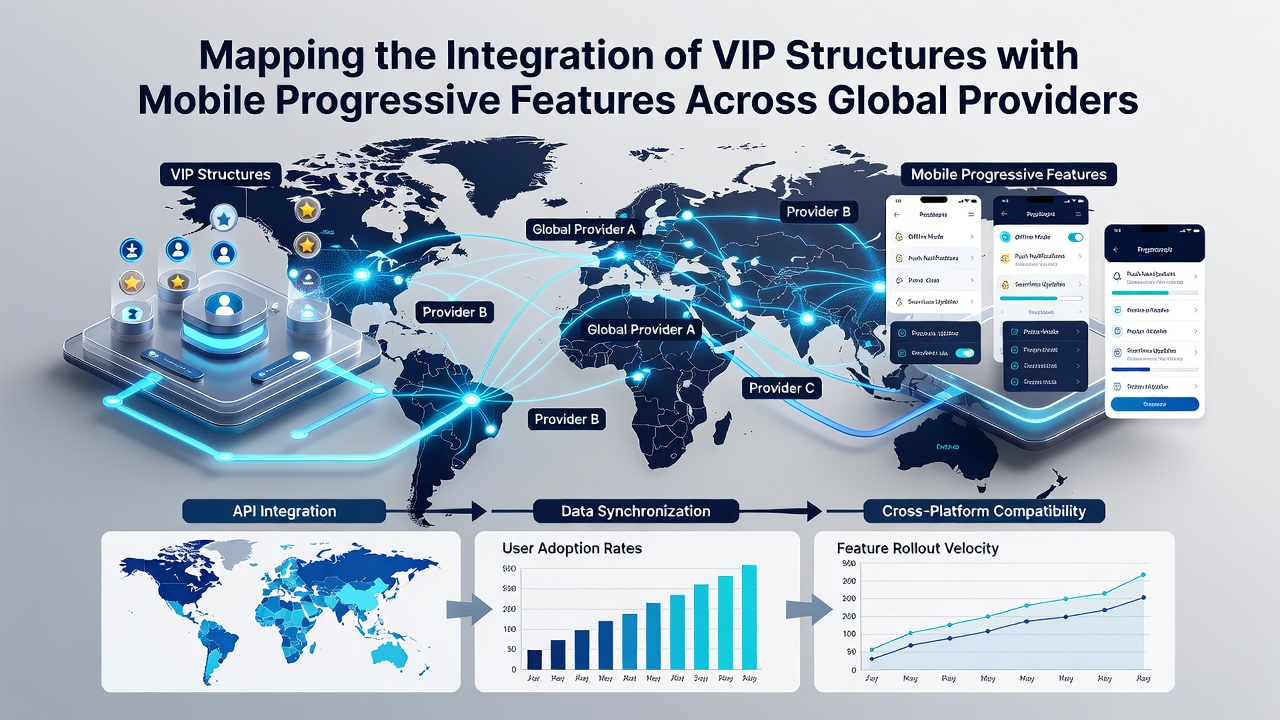
Technical Architecture Supporting Dual Integration
Backend systems rely on API bridges that pull live progressive data into mobile front-ends while simultaneously feeding wager information into separate VIP databases. This dual feed prevents latency issues even during peak traffic periods, and developers have refined these connections to handle simultaneous updates for jackpot growth and loyalty tier recalculations. Providers achieve this through modular code that isolates progressive meter logic from VIP reward engines, allowing independent scaling when one system experiences higher demand.
Player Journey Examples Across Providers
Take one major Asian provider that routes mobile progressive contributions through a tiered loyalty engine, where silver-level accounts earn standard rates yet gold accounts receive an automatic 15 percent boost to both progressive contributions and personal cashback. Another North American operator structures its mobile app so that VIP milestone achievements unlock exclusive progressive buy-in options unavailable to standard accounts. Studies from the University of Nevada, Las Vegas Gaming Research Center reveal these layered mechanics correlate with higher retention among mobile users who reach mid-tier VIP status within the first three months of activity.
Data Patterns Observed in 2026
Figures released in June 2026 by the International Association of Gaming Regulators highlight a 31 percent year-over-year increase in mobile progressive jackpot payouts that originated from VIP-enhanced sessions. Those patterns emerge because higher-tier players tend to maintain longer active sessions on mobile devices, feeding larger cumulative wagers into the shared pools. Providers respond by adjusting progressive seed amounts upward for VIP-exclusive networks while maintaining separate public pools for general users.
Conclusion
Mapping these integrations reveals consistent architectural choices across providers where mobile interfaces serve as the primary touchpoint for both progressive jackpot visibility and VIP progression tracking. Regulatory reports from multiple jurisdictions confirm the technical feasibility and measurable player engagement outcomes tied to these combined systems. Continued refinement of API connections and loyalty algorithms will likely shape how global operators deliver unified mobile progressive and VIP experiences moving forward.