Networked Gaming Suppliers Redefine Multi-Tiered Incentive Structures in Mobile Reel Platforms
Greta Albrecht · Jul 10, 2026

Networked Gaming Suppliers Redefine Multi-Tiered Incentive Structures in Mobile Reel Platforms
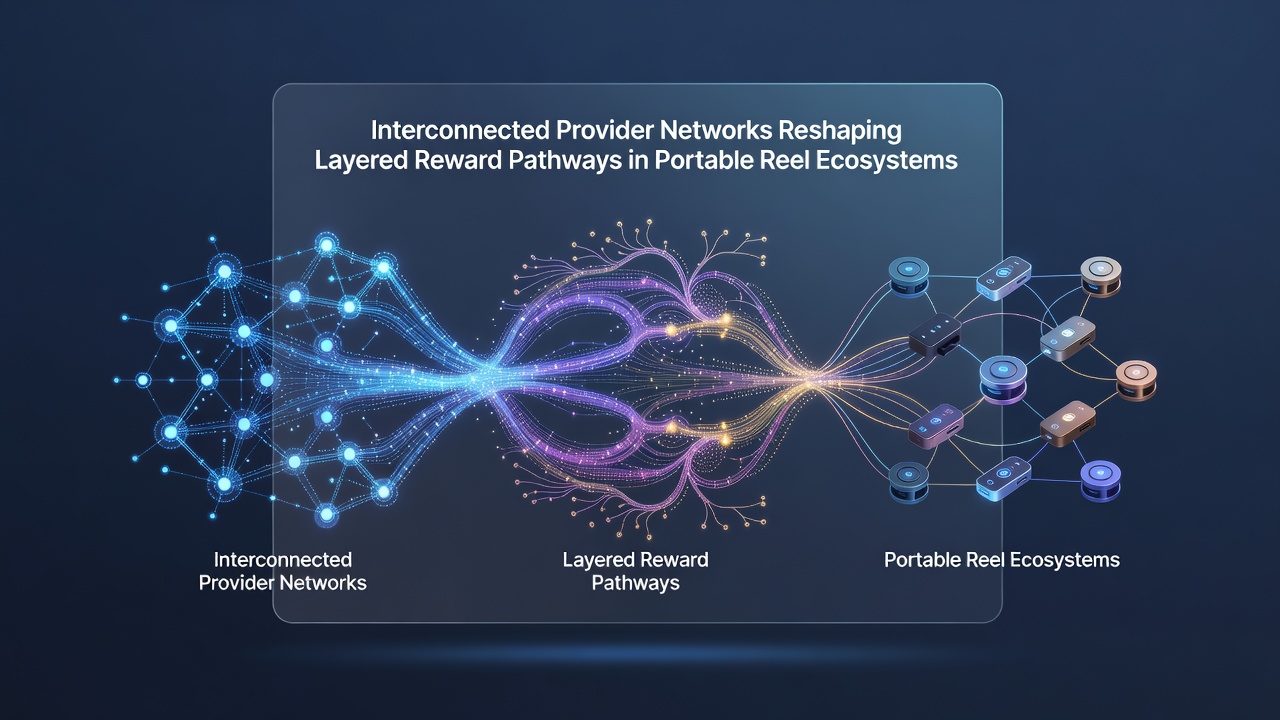
Slot game suppliers have started linking their backend systems into shared infrastructures that let operators pull from unified data pools while players move between titles without losing progress on loyalty metrics or bonus accumulations, and this shift has gained momentum as mobile usage continues to dominate session volumes across regulated markets. Developers now coordinate on standardized APIs that handle real-time synchronization of reward tiers, which means a user climbing a VIP ladder in one studio's progressive title can carry partial advancement into another supplier's game on the same platform.
Shared Data Layers Drive Seamless Progression
Interconnections between suppliers allow reward pathways to span multiple game libraries rather than remaining siloed within single studios, and operators report that these links reduce duplication of player tracking systems while expanding the depth of available bonus mechanics. Data from the Gaming Standards Association indicates rising adoption of common communication protocols that support cross-provider event triggers such as simultaneous free-spin triggers or combined jackpot contributions.
Portable reel ecosystems benefit directly because mobile sessions often involve shorter but more frequent play intervals, so integrated networks keep reward momentum intact even when users switch devices or games mid-session. Suppliers coordinate on layered structures that stack base-game multipliers with network-wide loyalty boosts, and this approach lets operators present unified progress bars that reflect activity across an entire connected catalog.
Regulatory Timelines Shape Implementation Pace
Compliance frameworks scheduled for July 2026 in several jurisdictions require tighter auditing of data handoffs between providers, which has prompted suppliers to finalize interconnection standards ahead of those deadlines. Systems must demonstrate clear audit trails for reward calculations that cross studio boundaries, and testing phases already underway focus on preventing discrepancies in jackpot seeding or loyalty point valuation when players transition between connected titles.
Technical Architecture Behind the Connections
Modern setups rely on centralized ledgers that record every reward event with timestamps and player identifiers, then distribute updates to participating suppliers in milliseconds. This architecture supports features such as cascading bonus eligibility where a win in one game immediately qualifies the user for enhanced free-spin parameters in a different supplier's title, and mobile interfaces display these layered opportunities through unified notification systems.
One study released by the Alcohol and Gaming Commission of Ontario examined pilot programs involving three major suppliers and found measurable increases in average session length when reward pathways operated across interconnected libraries instead of isolated environments. Those findings align with broader industry patterns where operators using shared networks observe higher retention rates among mobile users who engage with multiple game types during single logins.
Player Pathways Expand Through Cross-Studio Mechanics
Layered reward designs now include network-level VIP clubs that aggregate spend and playtime across every connected supplier rather than requiring separate qualification in each studio's ecosystem. Players therefore encounter fewer friction points when exploring new titles, since their established status carries forward and unlocks matching bonus structures immediately upon launch. Mobile applications surface these expanded pathways through consolidated dashboards that list eligible rewards from multiple providers in one view, which simplifies navigation for users who previously managed separate accounts or progress trackers.
Suppliers have introduced shared progressive pools that draw contributions from titles developed by different studios, and these combined jackpots grow faster than single-provider equivalents while still allocating portions back to individual game RTP calculations. Observers note that such pooling requires precise reconciliation engines to maintain regulatory compliance on prize distribution, yet the resulting larger prize displays have become common marketing assets on mobile storefronts.
Future Integration Patterns Emerge
Additional layers under development include dynamic difficulty adjustments based on network-wide player behavior data, allowing individual games to modulate bonus frequency according to aggregate activity rather than isolated metrics alone. Mobile platforms stand to gain most from these refinements because shorter sessions benefit when reward triggers adapt in real time to collective patterns across the connected supplier base.
Testing continues on standardized player identity tokens that travel securely between supplier environments, eliminating repeated verification steps and preserving reward continuity during rapid game switches typical of mobile play. These tokens also support granular consent management so users control which elements of their activity history participate in cross-provider calculations.
Conclusion
Interconnected supplier networks continue to expand the scope of layered reward pathways available inside portable reel ecosystems, and the infrastructure changes scheduled around July 2026 will likely accelerate standardization across more markets. Mobile players encounter broader bonus eligibility and faster progression through unified loyalty systems while operators gain operational efficiencies from shared tracking frameworks. The resulting environment supports more fluid exploration of game libraries without sacrificing advancement on reward structures that previously remained confined within single-provider boundaries.