Payment Gateways Forge Alliances and Tiered Rewards in Mobile Slot Ecosystems
Iris Krüger · Jul 31, 2026
Payment Gateways Forge Alliances and Tiered Rewards in Mobile Slot Ecosystems
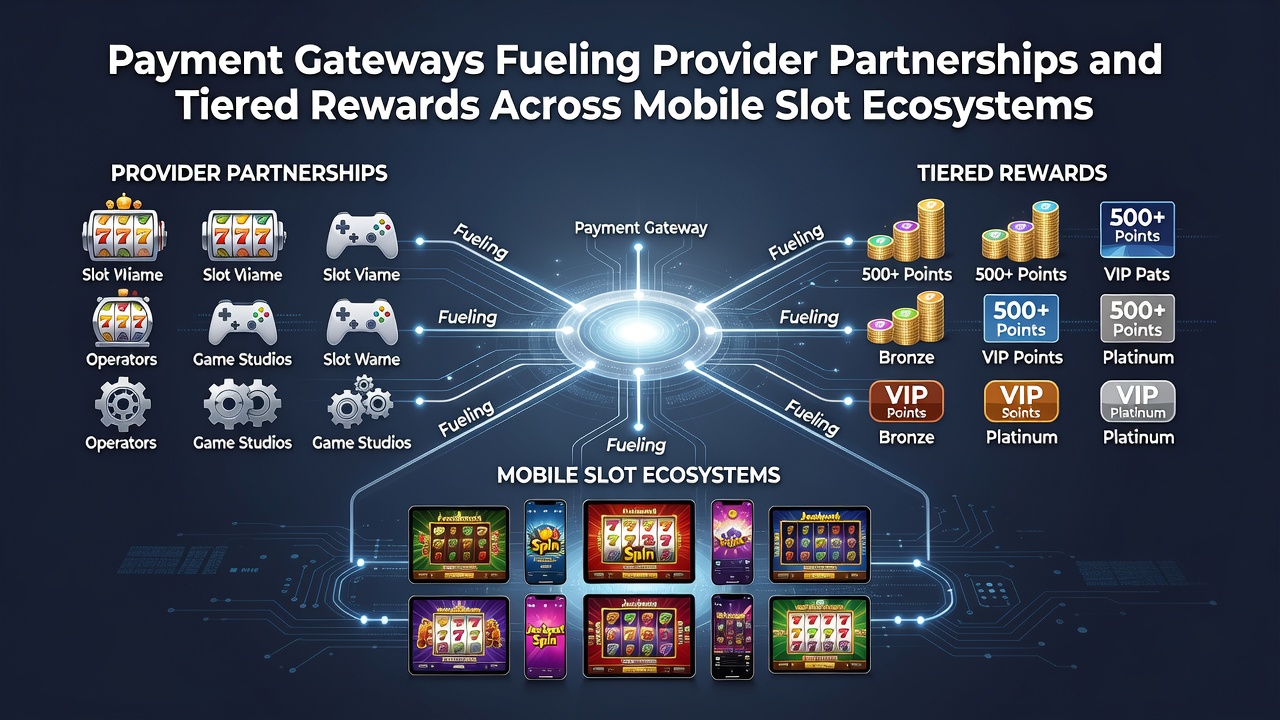
Payment gateways have become central connectors between mobile slot operators, software providers, and loyalty programs because they handle deposits, withdrawals, and real-time data flows that support both partnerships and reward structures. Data from industry reports shows these systems process millions of transactions daily across mobile platforms, which allows providers to share user activity metrics and trigger tiered bonuses automatically when players reach specific thresholds.
Gateway Infrastructure Supports Provider Collaborations
Software developers integrate payment gateways directly into their mobile slot engines so that transaction confirmations trigger content updates or shared jackpot pools between different studios. According to figures released by the American Gaming Association, such integrations have grown steadily as operators seek faster settlement times and reduced processing fees that keep more revenue circulating inside the ecosystem. One case involved a gateway provider linking multiple studios to a single loyalty database, which let players earn cross-title rewards without leaving the mobile app.
These technical links create measurable efficiencies because gateways standardize API calls that different providers use for balance checks and bonus allocations. Research from gaming technology firms indicates that standardized payment rails cut reconciliation time by up to thirty percent, freeing resources that operators redirect toward expanding mobile slot libraries rather than manual accounting tasks.
Tiered Rewards Activated Through Transaction Data
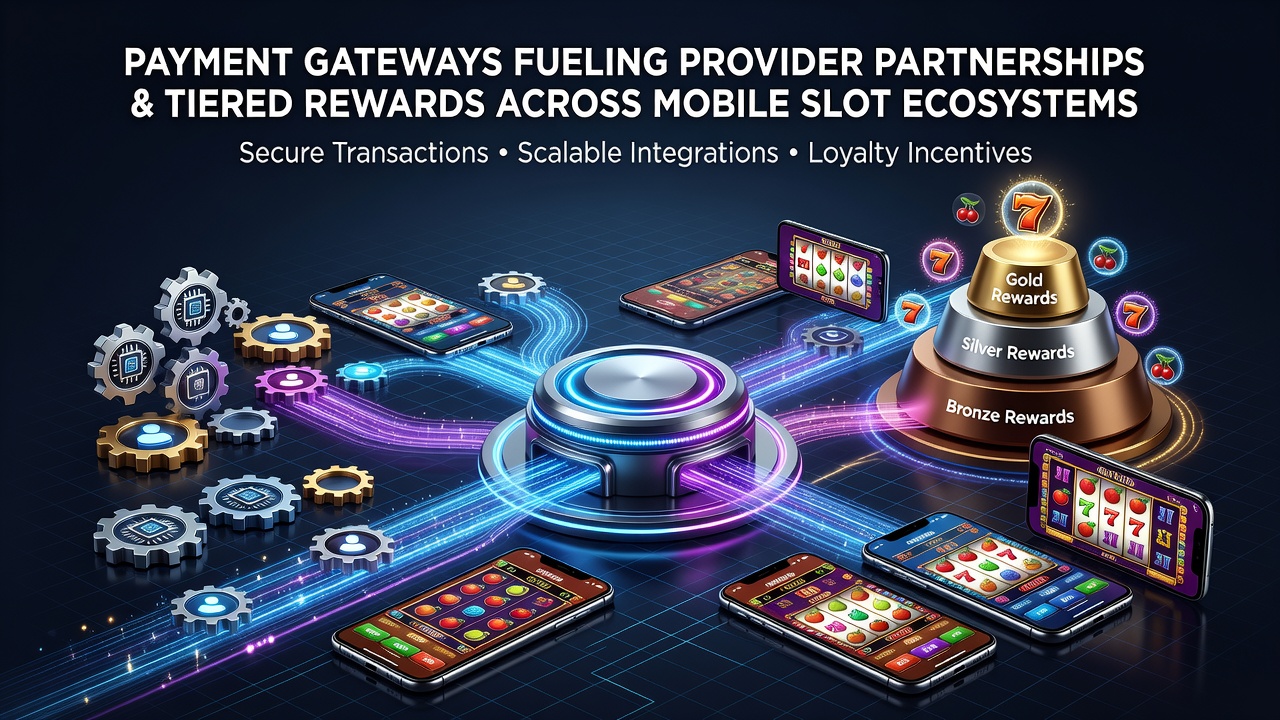
Mobile slot ecosystems rely on payment gateways to track spend velocity and deposit frequency, which feed into tiered loyalty ladders that unlock higher-value free spins or cashback percentages. Observers note that when a player moves from bronze to silver status, the gateway automatically flags the account for upgraded multipliers on progressive jackpots without requiring separate verification steps. This automation stems from data streams that gateways already maintain for regulatory compliance and fraud detection.
Studies conducted by university research teams on digital transaction patterns found that reward programs tied directly to gateway data see higher retention rates because players receive instant recognition of their activity. The same reports highlight that tier progression often correlates with increased session length on mobile devices, since seamless deposits remove friction that once interrupted play.
Regulatory Shifts Influence Gateway Configurations
Upcoming compliance requirements scheduled for July 2026 are prompting operators to adjust gateway settings so that transaction monitoring aligns with new safety standards across multiple jurisdictions. These adjustments include enhanced identity verification layers and spending limit controls that gateways enforce at the point of deposit. Industry associations outside the UK have documented similar preparations in other regions where mobile gambling volumes continue to rise.
Gateways that already support real-time reporting give providers an advantage because they can demonstrate adherence to tiered reward caps and player protection thresholds without rebuilding entire backend systems. Figures from international gaming oversight bodies reveal that operators using adaptable gateways experienced smoother transitions during previous regulatory updates, maintaining partnership momentum while meeting fresh documentation demands.
Partnership Models Expand Through Shared Payment Tools
Providers now form alliances around common gateway platforms that pool marketing budgets and co-develop tiered reward campaigns visible across multiple mobile slot titles. A documented example shows two studios sharing a single gateway infrastructure to run joint progressive jackpots, with reward tiers calculated from combined player deposits rather than isolated game data. This approach distributes risk and broadens the player base that qualifies for higher loyalty levels.
Payment data also informs partnership negotiations because gateways supply anonymized aggregate statistics on which bonus structures drive the highest engagement. Research institutions tracking digital entertainment spending note that these insights help smaller providers secure favorable terms when joining larger networks, since transaction volumes serve as objective proof of market reach.
Future Integration Trends Across Mobile Ecosystems
Continued refinement of gateway technology points toward deeper embedding of tiered reward logic directly into mobile slot code, allowing providers to launch time-limited promotions that respond to live transaction flows. Observers tracking teh sector report that gateways capable of handling multi-currency settlements and instant payouts already support loyalty programs that span several operators without manual intervention.
Academic papers examining payment system evolution in gaming environments suggest that further standardization will accelerate cross-border partnerships, particularly where mobile access dominates player habits. Those who've examined transaction datasets from various regions find that gateways reduce latency in reward delivery, which in turn sustains player interest across longer periods.
Conclusion
Payment gateways continue to underpin the operational links that connect mobile slot providers with structured reward systems, delivering the data flows and settlement speed required for scalable partnerships. As regulatory environments evolve through 2026 and beyond, these systems adapt by incorporating verification tools and reporting functions that support both compliance and player engagement features. The result is an interconnected mobile slot landscape where transaction infrastructure directly shapes how alliances form and how tiers of rewards distribute across participating platforms.