Payment Innovations Transform Bonus Activation and Loyalty Structures in Multi-Provider Progressive Games
Greta Albrecht · Jul 1, 2026
Payment Innovations Transform Bonus Activation and Loyalty Structures in Multi-Provider Progressive Games
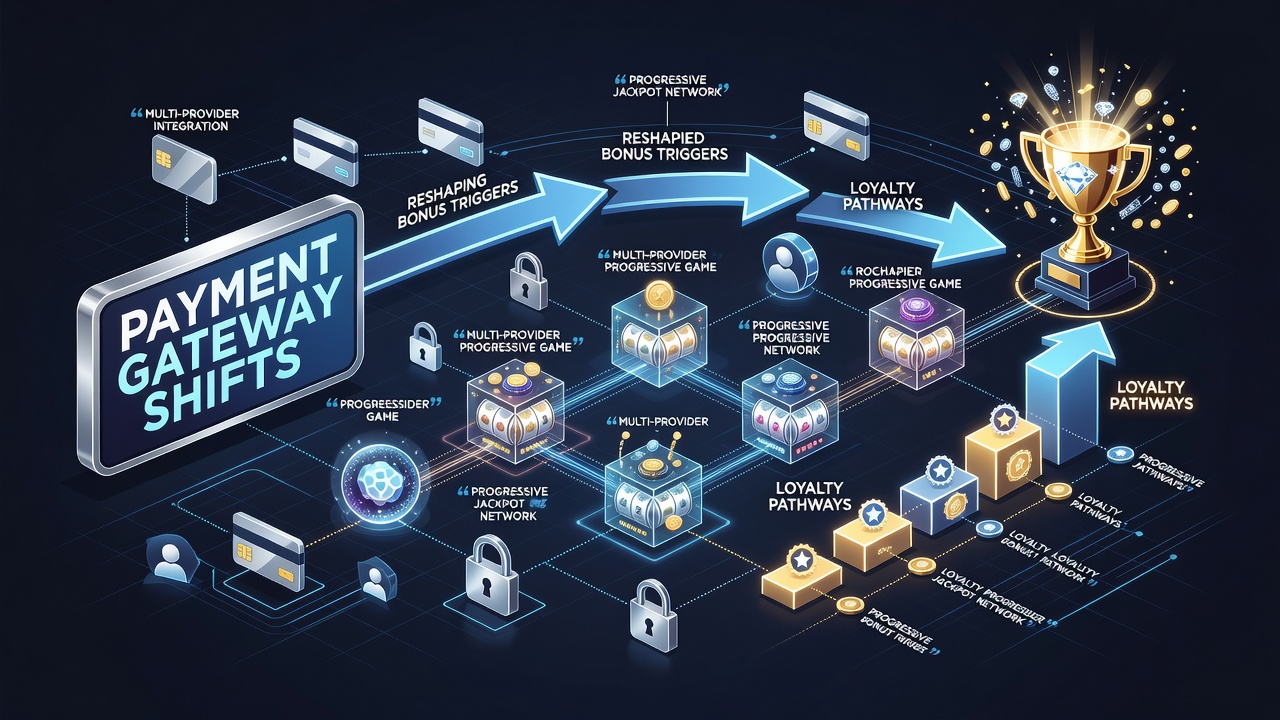
Payment gateway developments continue to alter how bonus features activate and how loyalty programs operate within networks that combine progressive jackpots from several suppliers, and these changes have gained momentum as operators integrate real-time transaction processing with game mechanics that span different platforms.
Systems now link deposit methods directly to trigger conditions for bonus rounds, which means players encounter varied activation rules depending on the payment channel selected at the start of a session, and this integration allows providers to adjust contribution levels or eligibility based on transaction speed and verification status.
Real-Time Processing Reshapes Trigger Conditions
Traditional bonus triggers relied on fixed wager amounts or spin counts, yet newer gateway protocols transmit data about deposit timing and amount instantly to game servers, which enables progressive titles to modify jackpot contribution rates or unlock special rounds without requiring separate player actions, and observers note this creates pathways where a single deposit can simultaneously advance multiple loyalty tiers across connected providers.
Data from industry reports shows transaction confirmation times have dropped below three seconds in many networks, and this speed supports immediate allocation of bonus spins or multiplier boosts that feed into shared progressive pools, while multi-provider environments use standardized APIs to synchronize these adjustments so that a player moving between titles from different developers maintains consistent loyalty progress.
Loyalty Pathways Adapt to Gateway Data Streams
Loyalty programs in these networks now pull information from payment processors to determine tier advancement, and this approach replaces periodic manual reviews with continuous tracking that responds to deposit frequency, payment method type, and transaction volume, so participants advance through ranks faster when using verified instant-transfer options.
Providers incorporate these streams into algorithms that calculate eligibility for exclusive progressive jackpots or personalized bonus sequences, and figures from recent platform analyses indicate loyalty points accumulate at rates up to 25 percent higher when gateways supply verified data compared with older batch-processing methods.
Regulatory Timelines Influence Implementation
Changes scheduled for July 2026 in several jurisdictions require updated compliance checks within payment flows, which forces operators to embed additional verification layers that affect how quickly bonuses trigger and how loyalty data updates across providers, and these requirements have prompted development of gateway modules that handle both regulatory reporting and game-side adjustments in one process.
Systems tested in advance of the deadline demonstrate reduced latency between payment confirmation and bonus activation, while maintaining audit trails that satisfy cross-border standards for progressive jackpot integrity.
Cross-Provider Synchronization Through Shared Gateways
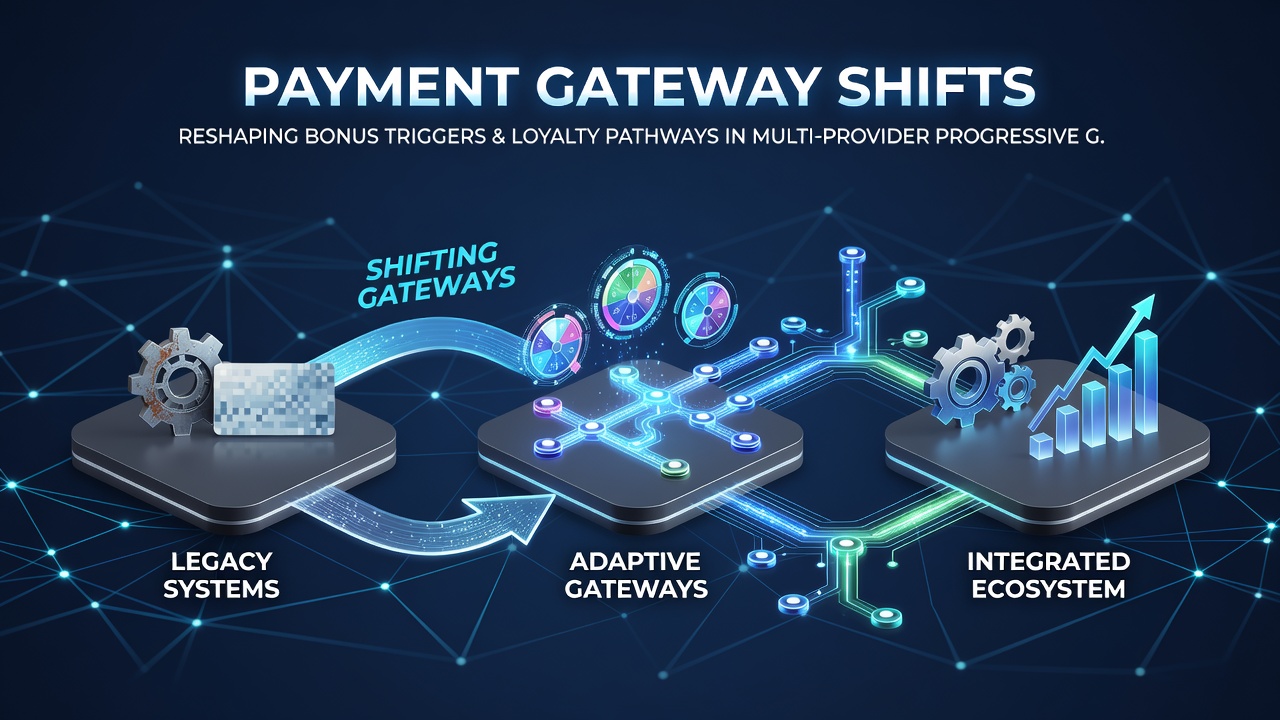
Multi-provider progressive games depend on gateways that communicate with each supplier's server infrastructure, and this setup allows a single deposit to contribute to jackpots hosted by different companies while simultaneously updating a unified loyalty profile, and researchers at institutions tracking gaming technology have documented cases where synchronized gateways increased average session length by linking bonus eligibility across titles without additional deposits.
One documented implementation involved routing payments through a central processor that applied region-specific rules before distributing funds and loyalty credits, which reduced discrepancies that previously arose when players switched between suppliers mid-session.
According to findings published by the American Gaming Association, payment integration now accounts for measurable shifts in how bonus structures operate within networked progressives, and similar patterns appear in reports from Australian regulatory bodies monitoring digital gaming platforms.
Future Adjustments and Data Integration
Operators continue testing gateway features that incorporate machine learning to predict optimal bonus trigger points based on historical payment patterns, and these tests show potential for loyalty pathways that adjust dynamically within multi-provider environments without manual intervention from either players or support teams.
Evidence from platform rollouts indicates that such predictive layers maintain compliance with verification requirements while shortening the interval between deposit and bonus availability, and networks that adopted these features ahead of the 2026 timeline reported smoother transitions when updating loyalty algorithms across all connected providers.
Conclusion
Payment gateway evolution has established direct connections between transaction processing and the mechanics governing bonuses and loyalty in multi-provider progressive games, and these connections produce measurable changes in activation timing and tier progression that operators must account for when planning updates ahead of July 2026 compliance dates.
Continued refinement of these systems supports consistent player experiences across different suppliers while meeting data-sharing and verification standards required by various regulatory frameworks.