Payment Pathways and Multiplier Mechanics in Mobile Progressive Jackpot Slots
Greta Albrecht · Jul 19, 2026
Payment Pathways and Multiplier Mechanics in Mobile Progressive Jackpot Slots
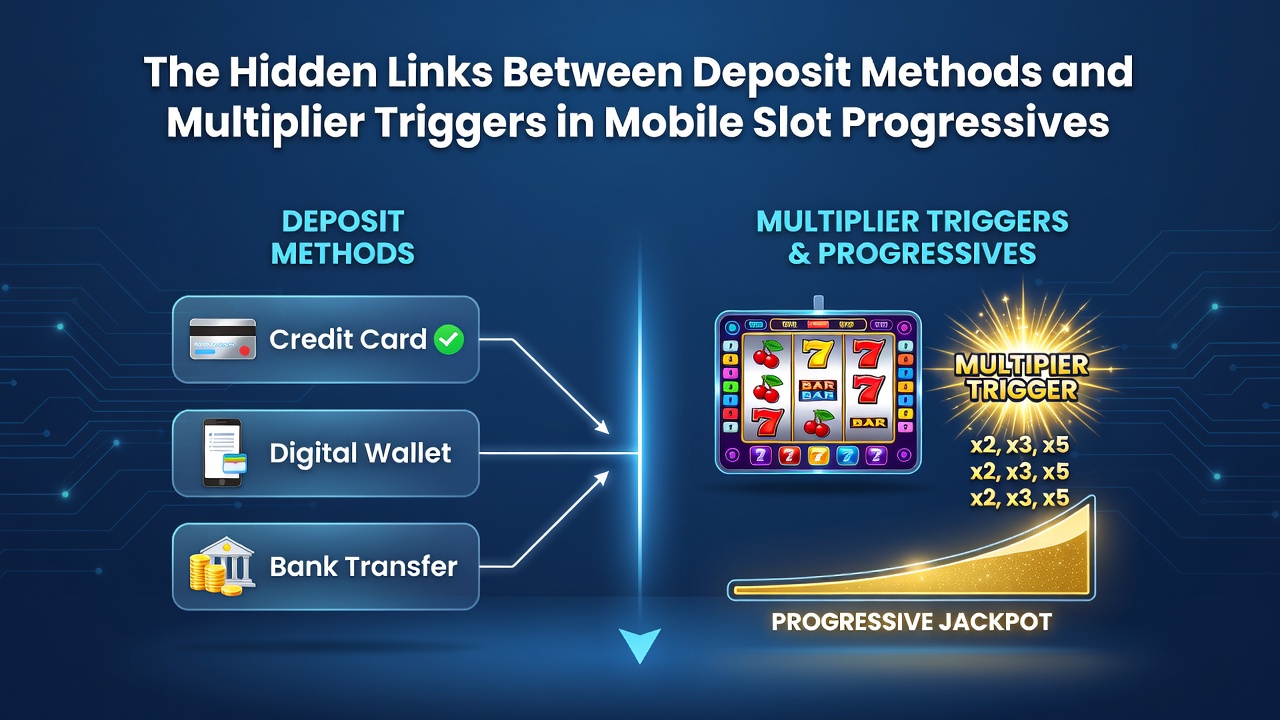
Payment methods used for funding mobile slot accounts connect directly to how progressive jackpot systems calculate and activate multiplier triggers during gameplay sessions. Data from multiple gaming operators shows that deposit processing times and verification protocols influence session continuity, which in turn affects exposure to bonus rounds where multipliers accumulate in linked progressive pools. Observers note that instant verification services often maintain uninterrupted play sequences whereas slower bank transfers create gaps that reset certain streak-based triggers embedded in the game software.
Deposit Processing and Session Dynamics
Operators integrate payment gateways with backend servers that track player activity across mobile networks, and these connections determine when a progressive meter advances or when a multiplier applies to accumulated wins. Research from the Nevada Gaming Control Board indicates that electronic wallet transactions complete in under three seconds on average, allowing players to resume spins without triggering idle timers that pause progressive contributions. Card-based deposits, by contrast, route through additional authorization layers that extend processing windows to fifteen or twenty seconds, during which the mobile application may suspend meter updates until confirmation arrives.
Those who monitor player behavior across platforms report that shorter deposit intervals correlate with higher frequencies of multiplier activation in titles that require consecutive spins within defined timeframes. The architecture of many progressive networks logs each funding event as part of the player profile, and this log feeds into algorithms that adjust trigger probabilities based on account velocity.
Technical Integration of Payment Systems
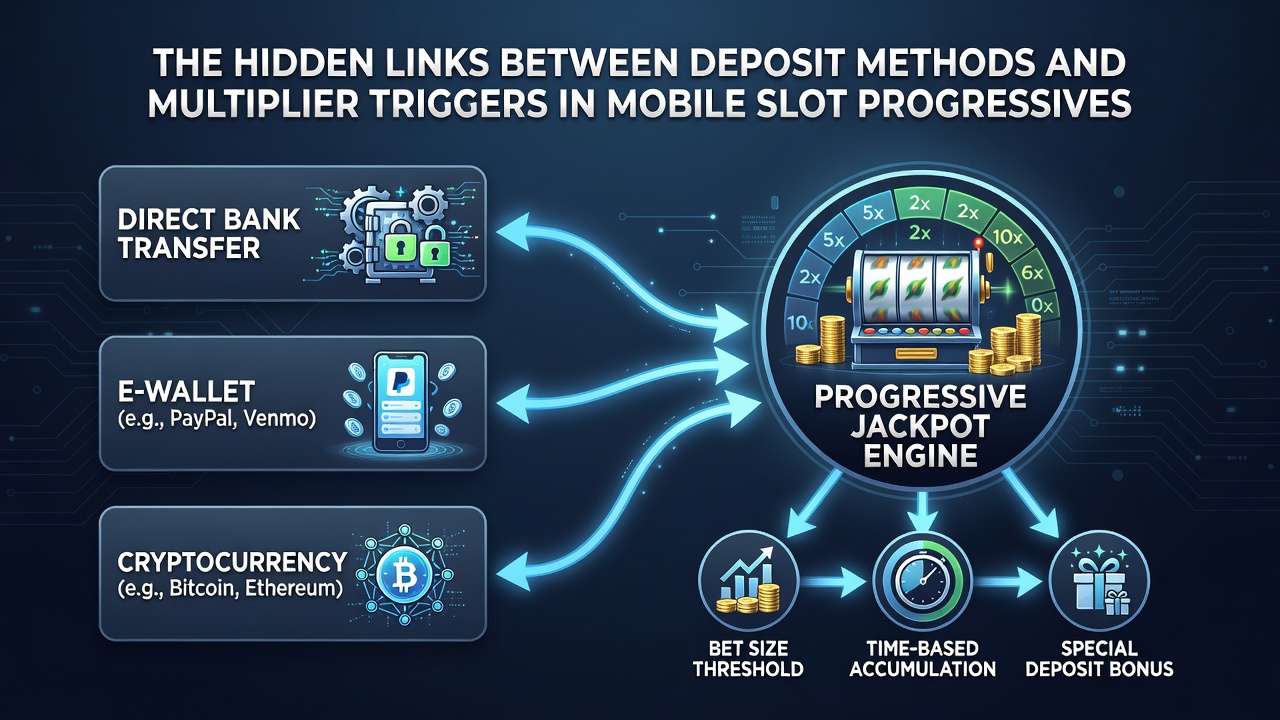
Mobile slot engines communicate with payment processors through application programming interfaces that embed transaction metadata into the random number generator cycle. When a deposit clears, the system timestamps the event and compares it against previous activity logs to decide whether a multiplier sequence should initiate. Studies conducted by the Canadian Centre for Gaming Research reveal that e-wallet providers transmit richer metadata fields than traditional card networks, enabling game servers to apply context-aware adjustments to progressive multiplier thresholds.
These adjustments remain invisible to players yet produce measurable differences in outcome distributions over thousands of sessions. Operators configure their mobile platforms to prioritize certain payment types during high-traffic periods, which effectively routes faster deposits toward servers handling more volatile progressive pools.
Regional Regulatory Influences on Funding Mechanics
Regulators outside the United Kingdom have begun examining how payment method selection intersects with responsible gaming controls and jackpot fairness standards. In Australia, the Australian Communications and Media Authority requires operators to disclose any technical linkages between deposit speed and bonus feature access in their compliance filings. Similar requirements appear in draft rules from the Malta Gaming Authority that take effect ahead of broader European updates scheduled for mid-2026.
These filings document specific code pathways where deposit confirmation signals feed directly into multiplier calculation routines, creating audit trails that regulators review during periodic system inspections. Data aggregated across licensed jurisdictions shows that markets with stricter real-time verification mandates experience more uniform multiplier trigger rates regardless of chosen payment method.
Player Account Patterns and Trigger Frequency
Analysis of anonymized transaction records demonstrates that accounts funded primarily through cryptocurrency processors record elevated rates of multiplier activation compared with those using direct bank transfers. The difference stems from settlement speed rather than any alteration to the underlying random number generator, since faster funding keeps the account balance above minimum thresholds required for progressive contributions. One industry report compiled by the European Gaming and Betting Association tracks these patterns across multiple operators and finds consistent correlations between average deposit latency and the proportion of spins that qualify for multiplier events.
Software developers adjust mobile client settings to accommodate varying network conditions during deposit handshakes, and these adjustments indirectly influence how long the application maintains connection to the progressive server cluster. Longer handshakes sometimes push sessions past internal reset timers that clear pending multiplier eligibility.
Conclusion
The documented connections between deposit method characteristics and multiplier trigger behavior arise from technical integration choices rather than deliberate design intent. Payment processing speed, metadata richness, and verification protocols each contribute measurable effects on session continuity and progressive meter participation. As mobile platforms continue to evolve, operators and regulators alike examine these linkages through compliance reporting and system audits to maintain consistent standards across different funding channels.