Payment Pathways Unlocking Layered Incentives: How Transaction Choices Shape Provider Tactics for Mobile Progressive Slot Ecosystems and Reward Structures
Iris Krüger · May 24, 2026
Payment Pathways Unlocking Layered Incentives: How Transaction Choices Shape Provider Tactics for Mobile Progressive Slot Ecosystems and Reward Structures
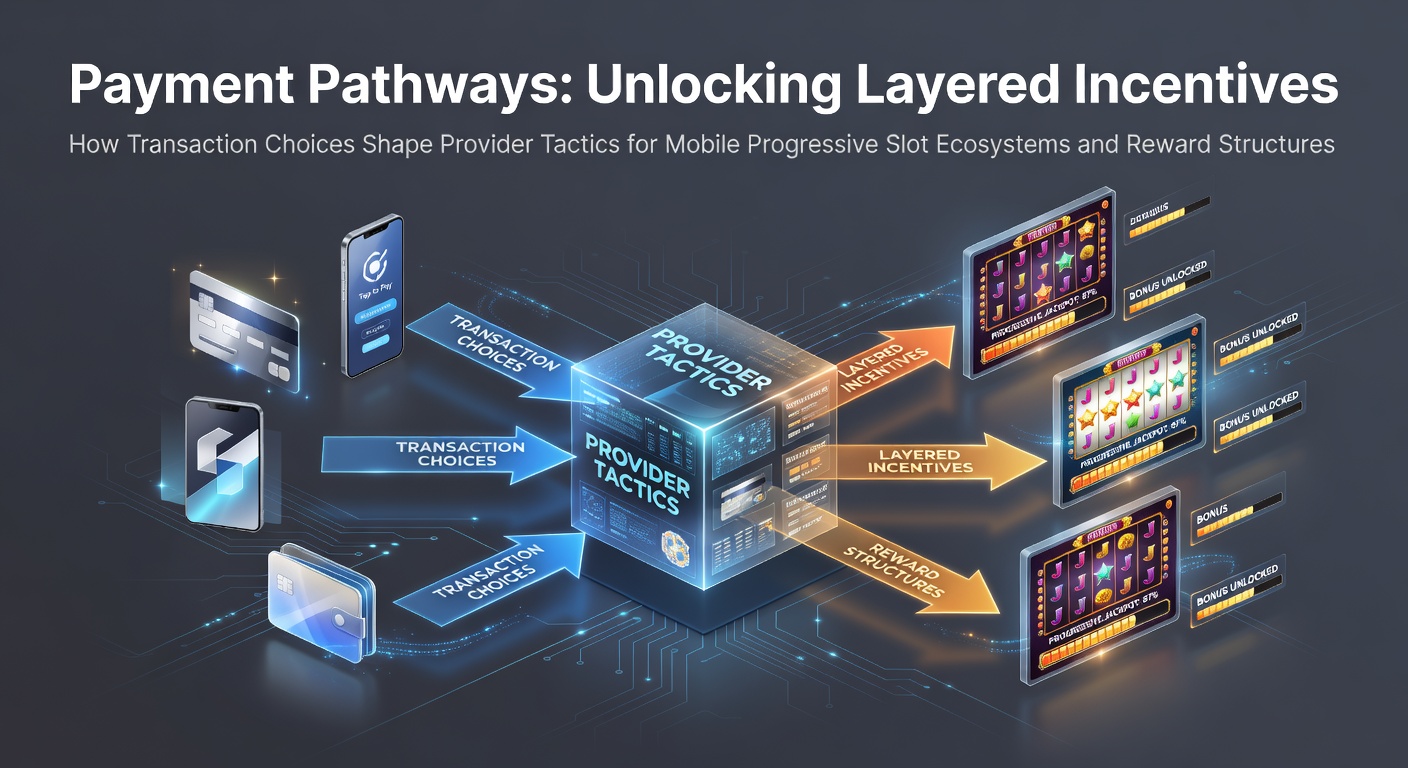
Transaction choices in mobile progressive slot ecosystems determine how providers configure reward layers and incentive programs. Different payment methods carry specific processing speeds, fee structures, and verification requirements that influence the timing and depth of bonus accumulations. Providers adjust their tactics accordingly because each pathway affects how quickly players can contribute to jackpot pools and unlock tiered benefits. Payment velocity plays a central role in mobile environments. Instant deposit options allow immediate participation in progressive rounds, which means providers can layer time-sensitive bonuses directly onto those transactions. Slower methods such as bank transfers create natural spacing between contributions, prompting operators to design staggered reward schedules that maintain engagement across multiple sessions.Transaction Pathways and Incentive Calibration
Research from the International Gaming Institute at the University of Nevada shows that payment method selection correlates with distinct patterns in reward uptake. When players use cryptocurrency rails, providers often attach accelerated accumulation rates to progressive meters because settlement occurs within minutes. Traditional card networks, by contrast, trigger standard accumulation schedules that align with batch processing cycles.
These differences force providers to maintain parallel reward structures. One pathway might feed directly into VIP point multipliers while another routes through confirmation delays that cap daily contributions. Observers note this dual-track approach preserves system stability while meeting varied player preferences across regions.
Mobile Ecosystem Adaptations in Mid-2026
By May 2026, mobile progressive platforms had expanded their support for instant wallet integrations alongside established card and bank options. Data compiled by the American Gaming Association indicates that regions with higher adoption of digital wallets saw a measurable increase in layered incentive participation. Providers responded by embedding conditional bonuses that activate only after a specific number of transactions clear through chosen pathways.
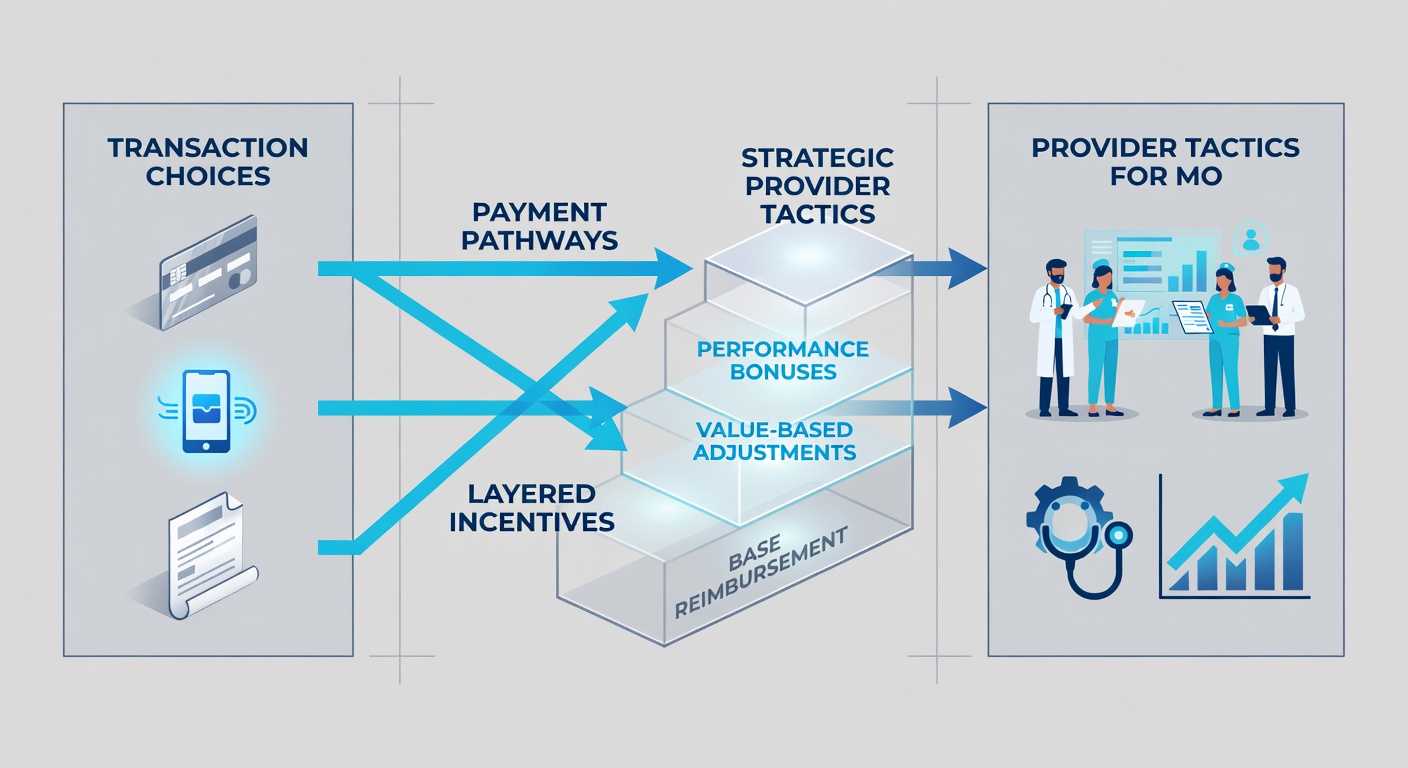
Wallet-based deposits frequently unlock entry-level VIP tiers faster because the reduced friction allows more frequent small contributions. Providers therefore calibrate the size of those tiers to balance acquisition costs against long-term retention metrics. Bank transfer users, facing longer clearance windows, encounter reward ladders that emphasize cumulative weekly totals rather than per-session milestones.
Provider Tactics for Layered Reward Delivery
Operators segment their player bases according to dominant transaction types. High-velocity pathways receive incentives that reward rapid meter contributions, including bonus spin allocations that scale with deposit frequency. Lower-velocity routes receive incentives focused on loyalty retention, such as milestone bonuses that vest after sustained activity over several days.
Studies published by the Canadian Gaming Association reveal that this segmentation reduces overlap between incentive types and prevents unintended acceleration of jackpot liabilities. Providers maintain separate tracking ledgers for each pathway so that reward calculations remain accurate regardless of how players move funds.
Reward Structures and Accumulation Mechanics
Progressive meters in mobile ecosystems accumulate through base wagers plus any pathway-specific multipliers. When a transaction qualifies for an elevated multiplier, the system applies it automatically to the current contribution round. This mechanic allows providers to offer differentiated value without altering the underlying game mathematics.
Seasonal adjustments appear in May 2026 data as providers fine-tune multiplier thresholds to match observed payment trends. Players who consistently use faster pathways encounter tighter thresholds that require larger individual contributions to reach the next incentive tier. Those using scheduled methods face thresholds calibrated to aggregate activity, preserving accessibility across payment preferences.
Conclusion
Payment pathway selection continues to shape how providers structure layered incentives within mobile progressive slot ecosystems. Transaction characteristics determine accumulation speed, tier access timing, and the overall design of reward programs. As platforms evolve through 2026, operators maintain distinct tactical frameworks that align incentive delivery with the operational realities of each payment method while preserving fairness across all participant groups.