Spin Incentive Models Drive Status Upgrades Across Portable Prize Ecosystems
Ulrich Walter · Jun 3, 2026
Spin Incentive Models Drive Status Upgrades Across Portable Prize Ecosystems
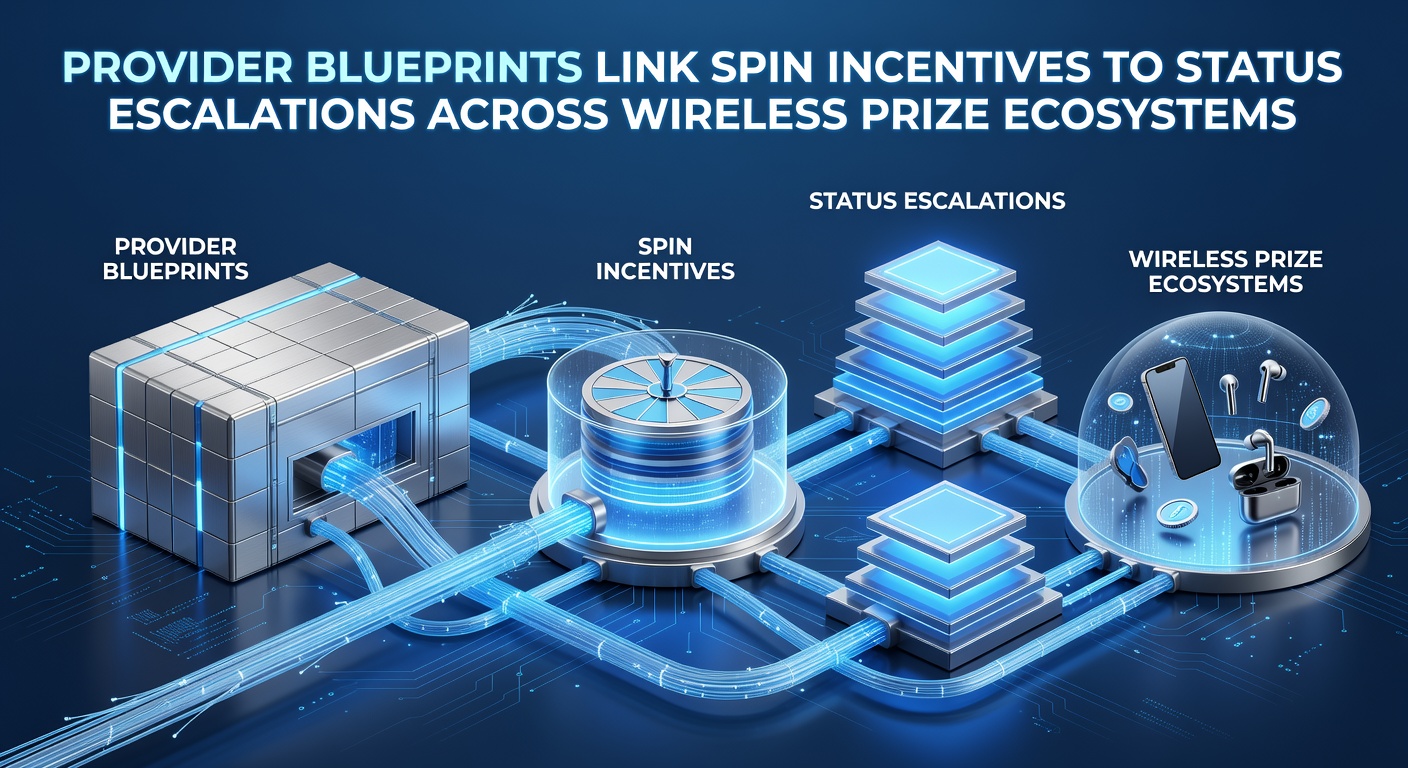
Providers structure spin incentives to feed directly into status escalation pathways within mobile prize ecosystems, creating measurable connections between bonus mechanics and tiered player advancement. Data from industry analyses show these blueprints align free spin allocations with loyalty point multipliers that accelerate movement through VIP levels, while progressive jackpot contributions scale alongside status thresholds. Researchers at the University of Nevada, Las Vegas have documented how such integrations appear in platform architectures where spin velocity influences both prize pool growth and eligibility for elevated reward circuits.
Mechanics of Incentive to Status Linkages
Game developers embed algorithms that convert spin activity into status markers, often through point accrual systems tied to wager frequency and bonus redemption rates. According to reports compiled by the American Gaming Association, these models track mobile session data to determine when accumulated spins trigger automatic tier upgrades, bypassing manual review processes in many instances. The result manifests in ecosystems where a player completing a set number of incentivized spins gains immediate access to higher loyalty multipliers and exclusive jackpot segments. Observers note that wireless environments amplify this effect because real-time data streams allow providers to adjust incentive values mid-session without disrupting gameplay flow.
Status escalations frequently incorporate layered bonus structures where initial spin rewards unlock secondary incentives reserved for advanced tiers. Studies from the Australian Gambling Research Centre indicate that mobile platforms using these blueprints report higher retention metrics when status progression synchronizes with spin-based triggers rather than calendar-based resets. Providers calibrate these connections so that escalating status levels grant progressively larger spin allotments, which in turn feed back into jackpot contributions and accelerate further advancement.
Wireless Ecosystem Adaptations in Mid-2026
As of June 2026, several major providers have updated their mobile frameworks to emphasize cross-device status continuity, allowing spin incentives earned on one wireless connection to carry over into status calculations on another. This approach maintains momentum across portable prize pools even when players switch networks or devices mid-progression. Evidence from platform audits reveals that such continuity reduces friction in status escalation, particularly when bonus spins activate automatically upon reaching new loyalty thresholds. Industry documentation shows these updates coincide with expanded use of blockchain-verified transaction logs that record both spin outcomes and status movements in unified ledgers.

Payment velocity integration forms another core element in these blueprints. Faster deposit processing correlates with accelerated status point awards, creating a feedback loop where quicker transactions enable more frequent spin opportunities that push players toward higher tiers. Figures released through the Canadian Centre on Substance Use and Addiction highlight patterns in which mobile users engaging with instant payment options experience shorter intervals between status upgrades compared to those using traditional methods. Providers design these linkages to operate invisibly, presenting only the resulting bonus spins and tier benefits to the end user while teh underlying calculations remain embedded in backend systems.
Comparative Provider Approaches
Different developers implement distinct weighting systems when connecting spin incentives to status escalations. Some prioritize volume-based triggers that reward total spins completed within a session window, whereas others emphasize quality metrics such as spins applied to progressive jackpot games. Research compiled by the National Council on Problem Gambling demonstrates that both strategies appear across global mobile ecosystems, with regional regulatory environments influencing which model predominates in specific markets. European platforms, for instance, often incorporate additional compliance layers that verify status movements against responsible gaming parameters before finalizing tier advancements.
Case examples from platform rollouts show how these blueprints adapt to emerging wireless technologies. When 5G networks expanded coverage in early 2026, providers adjusted incentive scaling to account for reduced latency, allowing status escalations to register almost instantaneously after qualifying spin sequences. Such refinements maintain consistency in prize ecosystem dynamics even as connectivity speeds increase, ensuring that players experience seamless progression regardless of network conditions.
Conclusion
Provider blueprints continue to refine the linkages between spin incentives and status escalations within wireless prize ecosystems through data-driven calibration and cross-platform synchronization. These systems operate by converting player activity into measurable advancement markers that unlock successive reward layers. Documentation from multiple regulatory and research bodies confirms that the underlying mechanics remain consistent even as mobile technologies evolve, preserving the core relationship between incentivized spins and tiered status growth across portable gaming environments.