Tech Partnerships Reshape Layered Incentive Models Across Evolving Mobile Platforms
Iris Krüger · Aug 2, 2026

Tech Partnerships Reshape Layered Incentive Models Across Evolving Mobile Platforms
Developer alliances have begun to alter how multi-tier reward structures operate inside progressive mobile ecosystems, where companies combine resources to build layered incentive programs that span multiple applications and platforms. These partnerships connect software creators with hardware manufacturers and service providers, and they focus on systems that track user engagement across devices while distributing benefits through tiered loyalty frameworks. Data from industry reports shows increased activity in these collaborations during recent years, particularly as mobile platforms expand their reach into daily user interactions.
Formation of Key Alliances in Mobile Development
Groups of developers have formed strategic ties with major platform holders to create unified reward mechanisms that reward consistent participation across apps. One alliance announced expanded operations in August 2026 that integrated loyalty tracking tools from several firms into a single dashboard accessible on both Android and iOS devices. Researchers at various institutions have documented how these ties allow smaller studios to access data analytics previously limited to larger entities, which in turn supports more precise calibration of reward tiers based on usage patterns. Observers note that such arrangements often involve shared APIs that let applications communicate reward status without requiring separate logins for each service.
Multi-Tier Structures and Their Technical Implementation
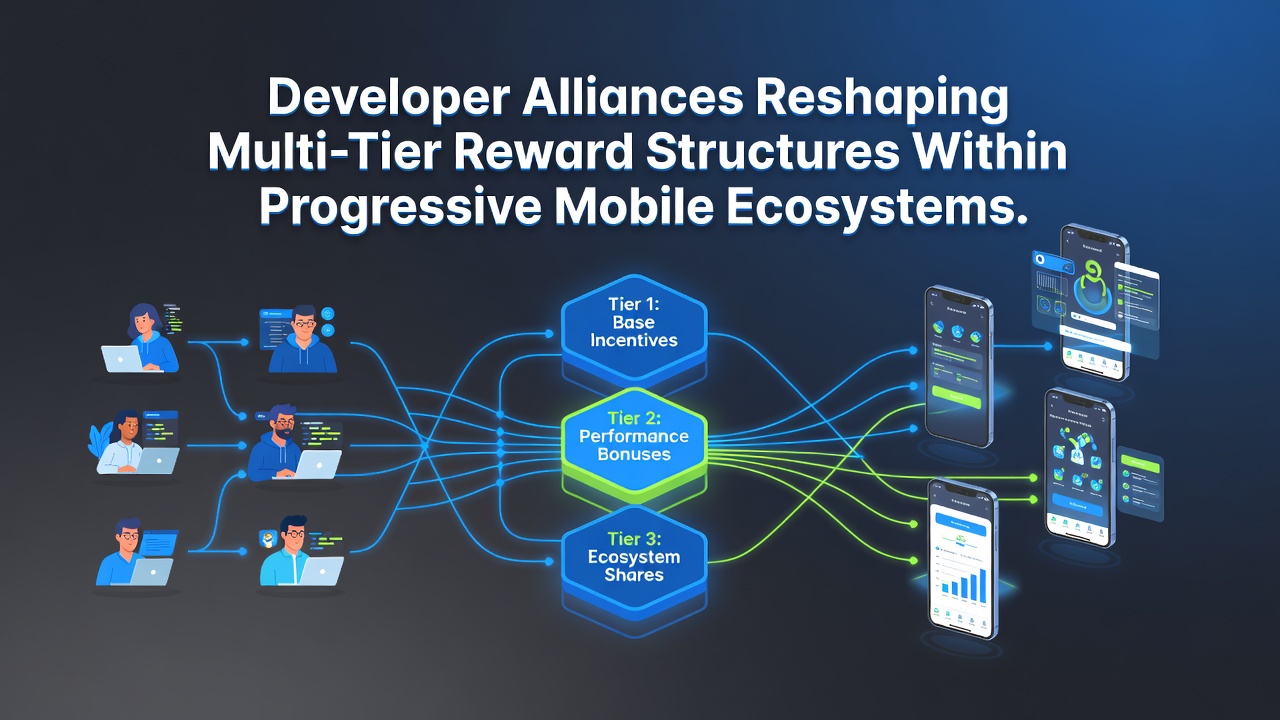
Multi-tier reward systems in these ecosystems typically include entry-level benefits for basic activity, mid-level perks that unlock after sustained engagement, and premium tiers reserved for high-frequency users. Alliances have introduced standardized protocols that let developers layer these benefits across different applications while maintaining compliance with platform guidelines. According to figures released by the Australian Competition and Consumer Commission, adoption of cross-app reward tracking rose notably in the first half of 2026. Technical teams achieve this by embedding modular code components that update tier status in real time and push notifications to users when they reach new levels, and they often combine these features with cloud-based storage that preserves progress across device changes.
Implementation details vary by region. European developers have emphasized privacy controls within their shared frameworks, whereas North American groups have prioritized seamless payment integration for tier upgrades. A study from a Canadian research university highlighted that these technical choices influence how quickly users advance through reward levels, with some alliances reporting faster progression rates after adopting unified authentication methods.
Impact on User Engagement and Platform Growth
Platform operators report that integrated reward structures contribute to longer session durations and higher retention rates across connected applications. Those who've examined usage logs from allied developer networks find that users who participate in multi-tier programs tend to explore additional apps within the same ecosystem. In August 2026 several partnerships released updated metrics showing that tiered incentives correlated with measurable increases in daily active accounts on participating platforms. Trade associations have compiled case examples where smaller developers gained visibility by plugging their reward offerings into larger alliance networks, which expanded their reach without independent marketing campaigns.
Hardware integration plays a supporting role as well. Device manufacturers contribute sensor data that alliances use to verify genuine user activity, and this helps prevent artificial inflation of engagement metrics that could distort tier assignments. Industry organizations such as the CTIA have published guidelines that address data handling practices within these collaborative setups.
Future Directions for Alliance-Driven Ecosystems
Continued expansion of these partnerships is expected to introduce more granular reward categories that adapt to individual usage habits. Developers are testing systems that combine location-based triggers with tier progression, allowing rewards to reflect both digital activity and physical context. Regulatory bodies in multiple regions continue to review how these structures affect competition among independent app creators, and alliance members have begun incorporating compliance modules directly into their shared codebases. Those monitoring the sector anticipate further announcements around cross-border data standards that would let reward tiers function consistently when users travel between different regulatory environments.
Conclusion
Developer alliances continue to refine multi-tier reward structures inside progressive mobile ecosystems through shared technology and coordinated policy frameworks. These efforts connect previously separate applications into unified incentive networks that operate across devices and regions. Evidence from regulatory reports and academic analyses indicates ongoing growth in adoption rates, while technical standards evolve to balance user privacy with engagement tracking needs. The pattern established by recent partnerships suggests further integration of hardware capabilities and cross-platform protocols in coming updates.