The choreography of reels and rewards: examining data flows between payments and player tiers in slot innovations
Iris Krüger · May 31, 2026
The choreography of reels and rewards: examining data flows between payments and player tiers in slot innovations
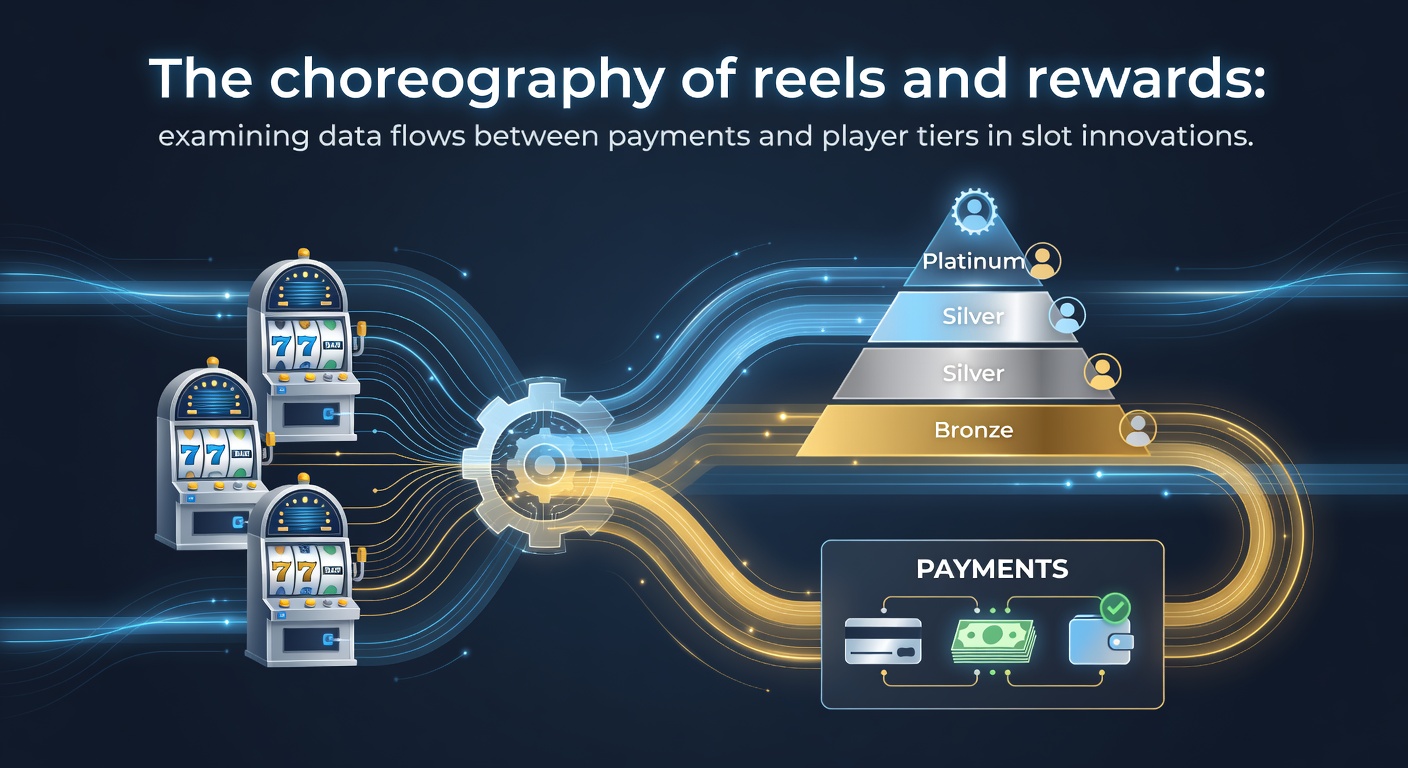
Payment processors and player loyalty systems operate through tightly synchronized data pipelines in modern slot platforms, where every deposit and wager updates tier status in real time. These flows connect transaction records directly to reward calculations, allowing operators to adjust bonus eligibility and progressive contributions without manual intervention. Developers design these connections using standardized APIs that pull velocity metrics, session lengths, and spend patterns from banking gateways into central player databases.
Payment velocity tracking and tier progression mechanics
Systems log each incoming transaction with timestamps and amounts, then feed those figures into algorithms that calculate monthly activity scores for tier advancement. When a player reaches predefined thresholds, such as cumulative deposits or average bet size, the platform automatically unlocks higher loyalty levels that grant access to exclusive jackpot pools or accelerated point multipliers. Data from these pipelines shows that platforms using continuous synchronization reduce latency between payment confirmation and reward activation to under two seconds in most mobile environments.
Industry reports highlight how these mechanisms rely on encrypted data packets exchanged between payment service providers and gaming servers, ensuring that tier updates reflect the most recent financial activity. One common approach involves event-driven triggers where a successful deposit event publishes a message to a queue that loyalty engines consume immediately, updating player profiles across distributed servers.
Integration patterns in progressive slot architectures
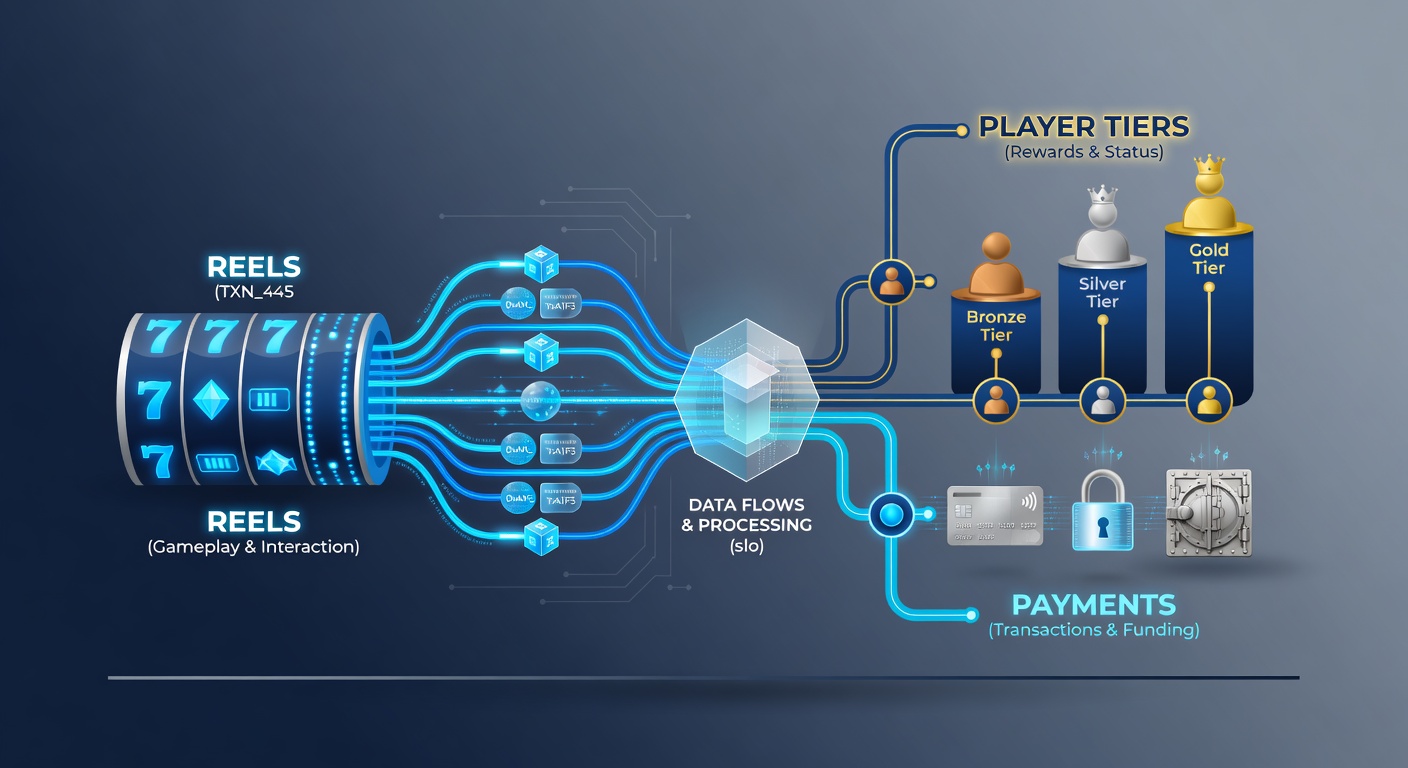
Progressive jackpot systems draw from the same data streams that manage tier status, allocating portions of each wager to shared prize pools based on player classification. Higher-tier accounts often contribute at elevated rates or receive boosted contributions from operator reserves, creating differentiated paths through the accumulation layers. These connections allow slot titles to scale jackpot growth dynamically according to the distribution of active player segments rather than applying uniform rates across all participants.
Developers implement middleware layers that normalize data from various payment methods, including cards, e-wallets, and bank transfers, into consistent formats before routing them to tier engines. This normalization step prevents discrepancies that could arise from differing transaction metadata across regions, maintaining consistent progression rules regardless of funding source.
Security protocols governing data movement
Encryption standards and access controls protect the bidirectional flow of information between payment rails and player management modules. Audit trails record every query and update, allowing regulators and operators to trace how specific payments influenced tier changes or bonus allocations. As of May 2026, several jurisdictions require operators to maintain immutable logs of these exchanges for compliance verification periods extending up to five years.
Tokenization techniques replace sensitive account details with unique identifiers during transmission, reducing exposure while still permitting the loyalty system to match transactions to individual profiles accurately. Researchers at institutions such as the Nevada Gaming Control Board have documented how these protocols maintain integrity across high-volume environments without introducing delays that affect gameplay responsiveness.
Regional variations in data handling standards
Different licensing authorities impose distinct requirements on how payment data interfaces with tier systems. European frameworks emphasize consent management and data minimization, whereas North American models focus on transaction monitoring for responsible gaming indicators. Australian regulatory bodies, including state-level commissions, require operators to demonstrate that tier progression algorithms do not inadvertently disadvantage players based on payment method preferences.
Cross-border platforms reconcile these rules through configurable rule engines that apply jurisdiction-specific filters before processing tier updates. This approach ensures compliance while preserving the core choreography of data movement that drives reward delivery.
Analytics layers built atop transaction streams
Business intelligence tools analyze aggregated flows to identify patterns in how payment timing correlates with tier retention rates. Operators use these insights to refine bonus structures, adjusting thresholds or multipliers based on observed behaviors across player cohorts. Data indicates that platforms incorporating predictive models into their tier engines achieve more stable progression curves, reducing abrupt jumps that can occur when relying solely on raw transaction totals.
Visualization dashboards present these flows in graphical formats, highlighting bottlenecks where payment confirmations lag behind tier update requests. Such monitoring supports continuous optimization of the underlying connections between financial systems and loyalty frameworks.
Conclusion
The interplay between payment processing and player tier management forms a foundational element of contemporary slot platform design. Through structured data exchanges, operators maintain responsive reward systems that scale with individual activity levels while adhering to regulatory expectations across multiple jurisdictions. Continued refinement of these pipelines supports innovations in jackpot mechanics and loyalty structures, ensuring that transaction events translate directly into tier-based benefits without compromising security or compliance standards.