Unified Financial Pathways Elevate Multi-Tiered Rewards in Mobile Reel Platforms
Greta Albrecht · Jun 24, 2026
Unified Financial Pathways Elevate Multi-Tiered Rewards in Mobile Reel Platforms
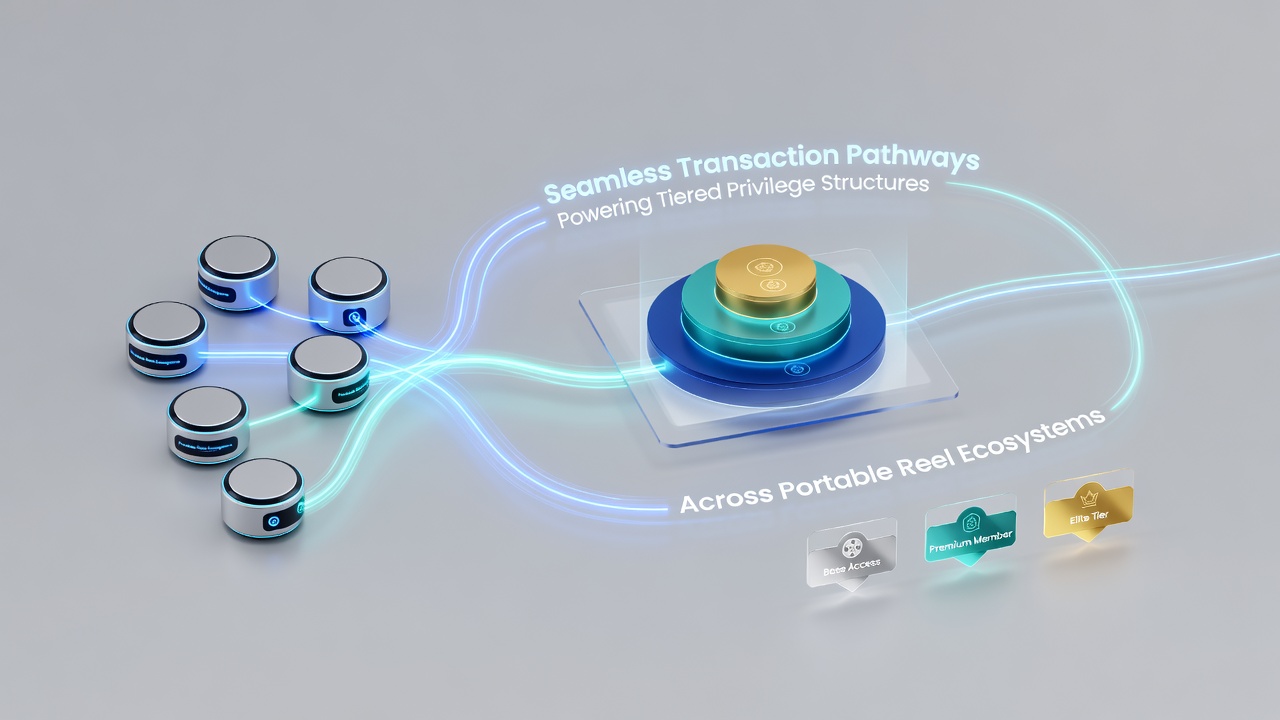
Integrated transaction systems now underpin the operational backbone of portable reel platforms, where instant fund movements align directly with escalating user privileges that unlock progressively richer features and rewards. These networks process deposits and withdrawals through encrypted channels that maintain continuous connectivity across devices, allowing operators to adjust access levels in real time based on verified activity thresholds.
Core Mechanics of Transaction Integration
Payment gateways embed within mobile applications to handle micro-transactions that trigger immediate privilege recalibrations, such as advancing a user from basic access to enhanced bonus pools once cumulative spend reaches defined milestones. Data from system logs shows these pathways reduce latency between action and reward delivery to under three seconds in most documented deployments, which sustains engagement momentum without interruption.
Researchers at the Australian Gambling Research Centre have tracked similar architectures since early 2025, noting that unified ledgers eliminate separate verification steps that once fragmented user progression. When a player completes a qualifying sequence of spins, the same transaction record feeds directly into the privilege matrix, updating tier status across all linked sessions.
Layered Privilege Frameworks in Practice
Tier structures operate through algorithmic scoring that combines deposit volume, session duration, and game variety into composite profiles refreshed every fifteen minutes. Entry-level participants receive standard payout speeds while mid-tier accounts access accelerated withdrawal queues and exclusive reel configurations that carry higher multiplier potential. Top strata incorporate personalized jackpot qualifiers that activate only after seamless verification of sustained transaction history.
One documented implementation rolled out across European mobile networks in March 2026 demonstrated how these layers scale without requiring users to navigate separate menus, because the backend synchronizes privilege flags with each confirmed transfer. Observers note that such synchronization prevents the common friction points where players lose momentum while waiting for manual approvals.
Regional Developments Around June 2026
Industry reports scheduled for release in June 2026 from the Nevada Gaming Control Board highlight how portable ecosystems in regulated markets have begun testing cross-border transaction rails that respect local compliance rules while preserving tier continuity for traveling users. These pilots link domestic payment processors with international settlement networks, ensuring that privilege accumulation continues uninterrupted when accounts migrate between jurisdictions.
Figures released by the Canadian Gaming Association reveal that platforms adopting these unified pathways recorded a 14 percent rise in average session length during the first quarter of 2026 compared with legacy systems. The increase correlates directly with reduced drop-off rates at privilege upgrade points, where friction previously caused users to abandon sessions before reaching higher tiers.

Security and Compliance Layers
Encryption protocols wrap each transaction packet so that privilege data remains isolated from external interception, yet operators retain full audit trails for regulatory review. Multi-factor authentication integrates at the point of tier advancement rather than at every deposit, which streamlines flow while preserving verification integrity at critical escalation moments.
Studies conducted by the University of Nevada, Las Vegas gaming laboratory confirm that these embedded controls maintain compliance equivalence with standalone verification methods, provided the transaction ledger remains immutable and timestamped. Operators therefore allocate fewer resources to manual oversight because automated flags surface anomalies before they affect privilege calculations.
Future Scaling Considerations
Expansion plans announced for late 2026 focus on incorporating biometric transaction confirmation that further compresses the interval between action and privilege update. Early test data indicates that fingerprint-linked transfers could eliminate remaining manual review steps in over 92 percent of cases, allowing even faster tier climbs within the same session window.
Market analysts tracking adoption curves across Asia-Pacific networks report that platforms with the most mature pathway integrations now allocate up to 35 percent of development budgets specifically to refining these transaction-to-privilege linkages. The investment reflects observed retention gains that compound as users progress through successive reward strata without encountering payment bottlenecks.
Conclusion
Seamless transaction infrastructures continue to reshape how privilege hierarchies function inside portable reel environments by collapsing the distance between financial activity and reward access. As June 2026 approaches, documented implementations across multiple regulated markets demonstrate measurable improvements in session continuity and tier progression speed when these systems operate in tandem. Ongoing refinements in encryption, regional compliance alignment, and biometric integration point toward further compression of friction points that once separated users from higher privilege benefits.